tinyGS
· TinyGS Community · 7 min read
Weekly Newsletter - August 31, 2025
Welcome to the TinyGS weekly community newsletter. Stay up-to-date with the latest discussions and developments within our collaborative network.
Highlights
General
- OA4BUO introduced himself as Antonio from Perú, South América, with the callsign OA4BUO, and received a welcome message from G4lile0. 🔗
- Crapulard shared their experience setting up a Lilygo TTGO v3 1.6.1 with an 868 MHz module, noting difficulties receiving signals and experimenting with SDR dipole antennas. Advised to buy a 433 module, crapulard inquired about using their 868 module to catch Connectalot signals. Nick suggested the need for a good Yagi antenna and preamplifier, while Helmi mentioned success with a ground plane antenna and short cable. Crapulard, a beginner, expressed gratitude for the advice and mentioned waiting for the arrival of a 433 module. 🔗
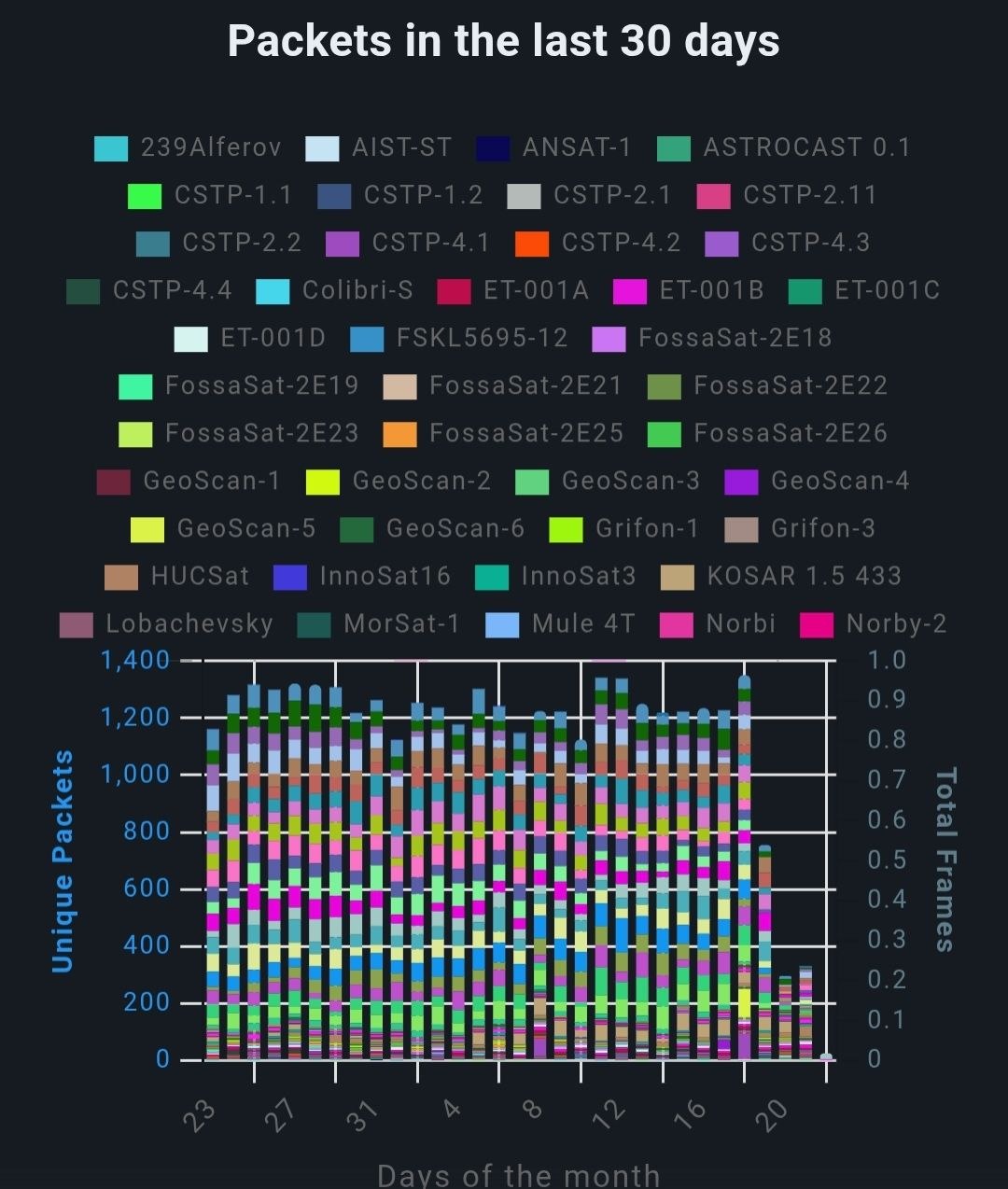
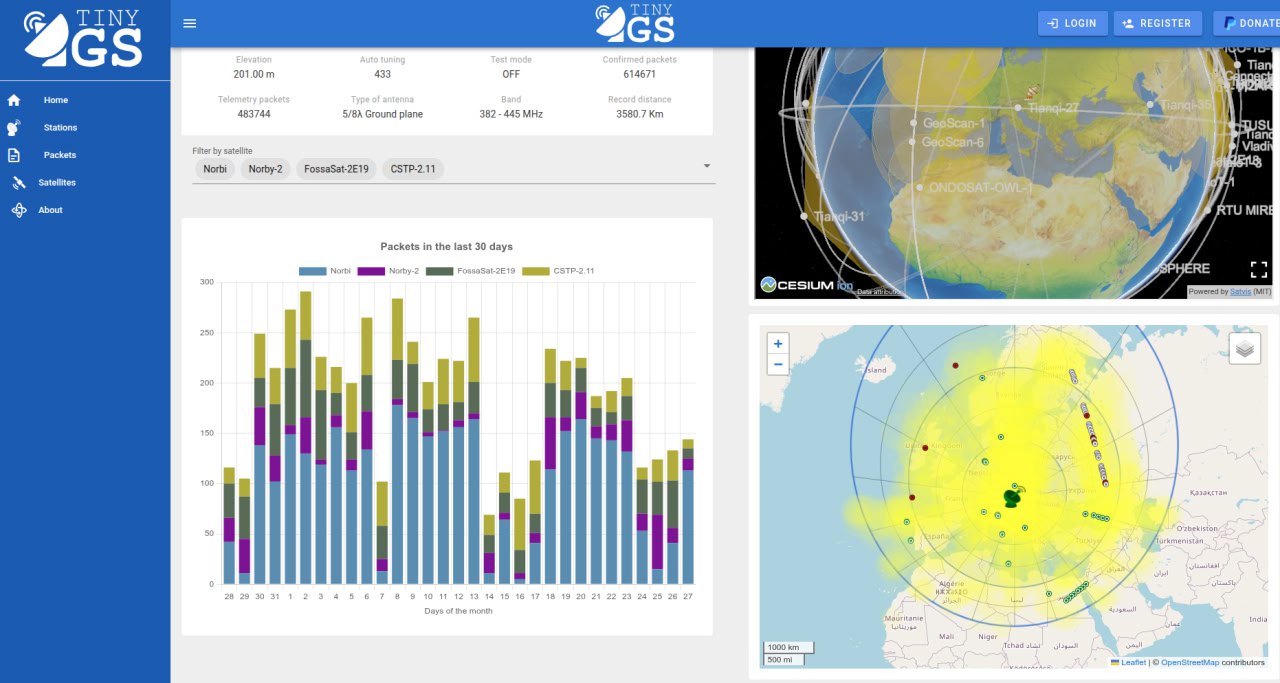
- G4lile0 announced and shared images related to testing a new functionality for deep-dive statistics, which was met with positive feedback. 🔗
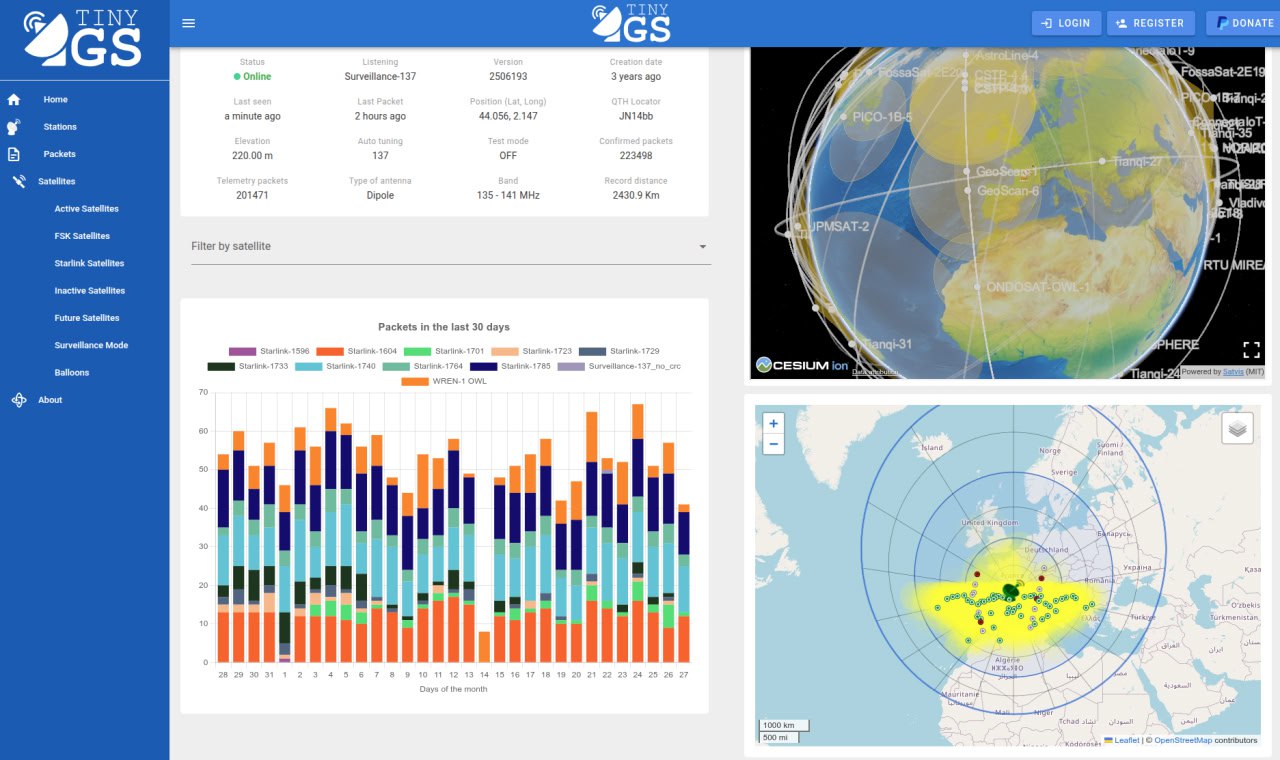
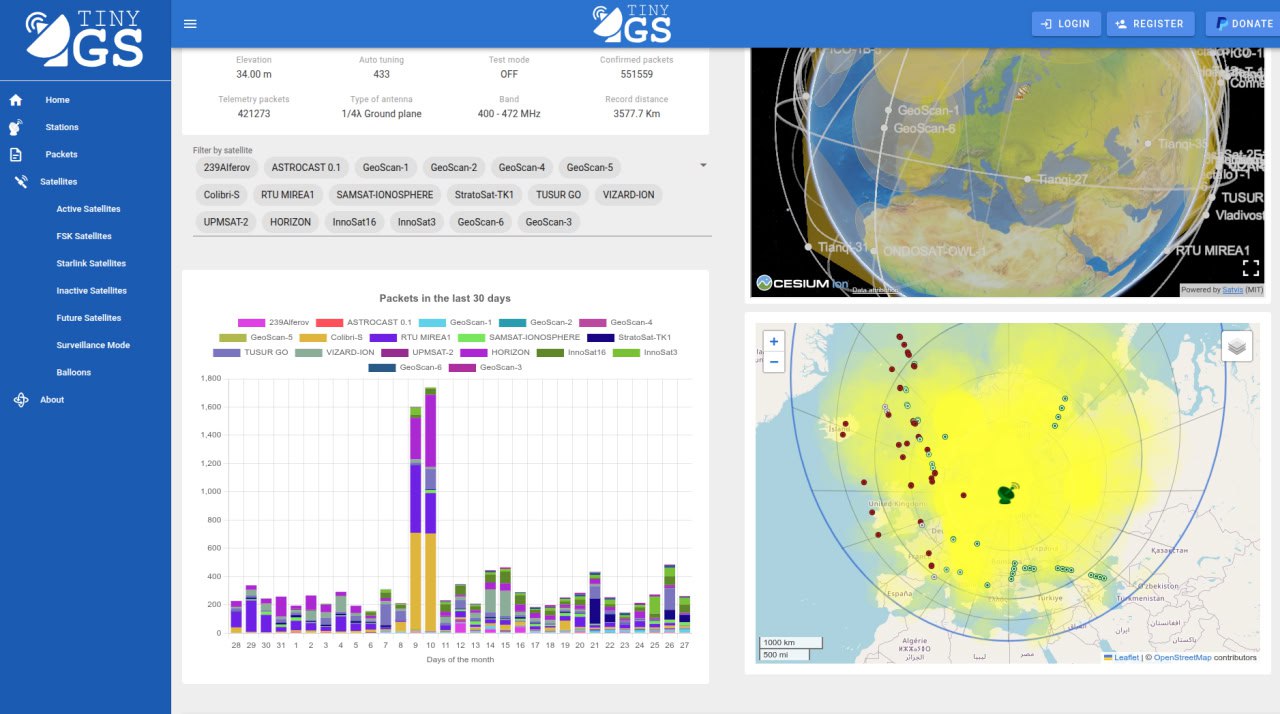
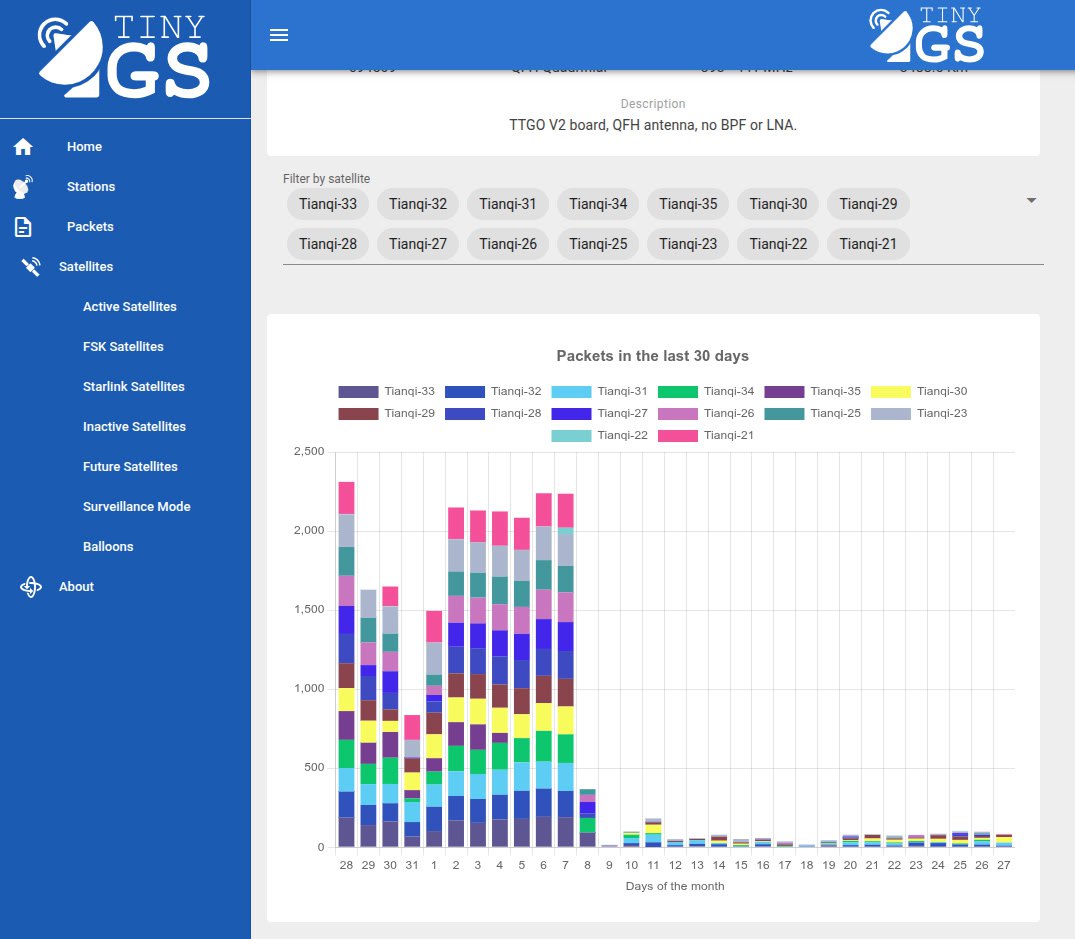
- G4lile0 announced that the new interactive stats are live on the main page, highlighting features like the interactive legend and advanced filtering. Users were encouraged to explore the data and provide feedback. 🔗
- Crapulard asked about the best antenna for LoRa to TinyGS, considering a ground plane antenna versus a QFH antenna. Helmi clarified that they are different types, with GP being linearly polarized and QFH circularly polarized. Stefan/OE6ISP added that a ground plane is best for covering the whole sky in flat terrain, while QFH or eggbeater antennas have better gain at high elevation and reduce noise. Crapulard mentioned living in flat terrain surrounded by forest and experiencing -120dB signal strength, seeking advice for Lilygo and weather/amateur satellite interception. Stefan/OE6ISP suggested that analog NOAA APT weather satellites are out of service, making digital decoding more difficult, and recommended starting with a ground plane and experimenting. Crapulard mentioned building a 70cm Yagi antenna and attempting to receive the ISS downlink, and asked about analog satellites in Western Europe. Stefan/OE6ISP confirmed the end of analog weather satellites and provided the ISS downlink frequency and a link to check active hamsats. Crapulard confirmed that he will build the groundplane. 🔗
https://amsat.org/status/index.php - G4lile0 explained the value of adding another TinyGS station even with a nearby station, highlighting the auto-tune system’s distribution of satellites and the personal journey of building and improving a station. Papangelo mentioned a friend’s station 2km away and inquired about complementary station specs, sharing a picture and a link to the station. G4lile0 suggested that building a station with an ESP32-S3 and SX1262 module with an LNA could fill the gap of receiving FSK satellites. G4lile0 also recommended verifying the 433Mhz model and building a 1/4 wave antenna. 🔗
https://app.tinygs.com/station/GarethTinyGS@19128247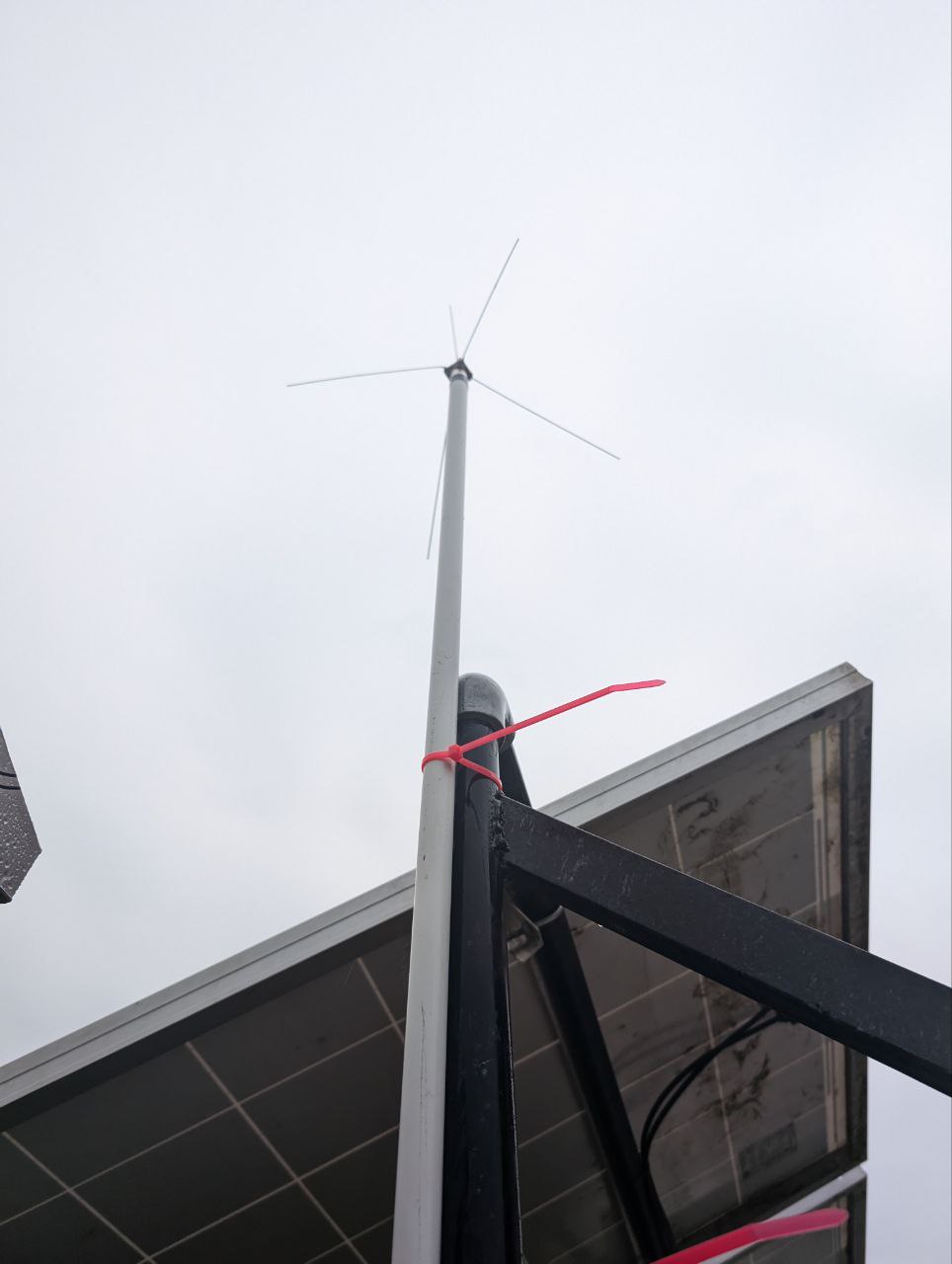
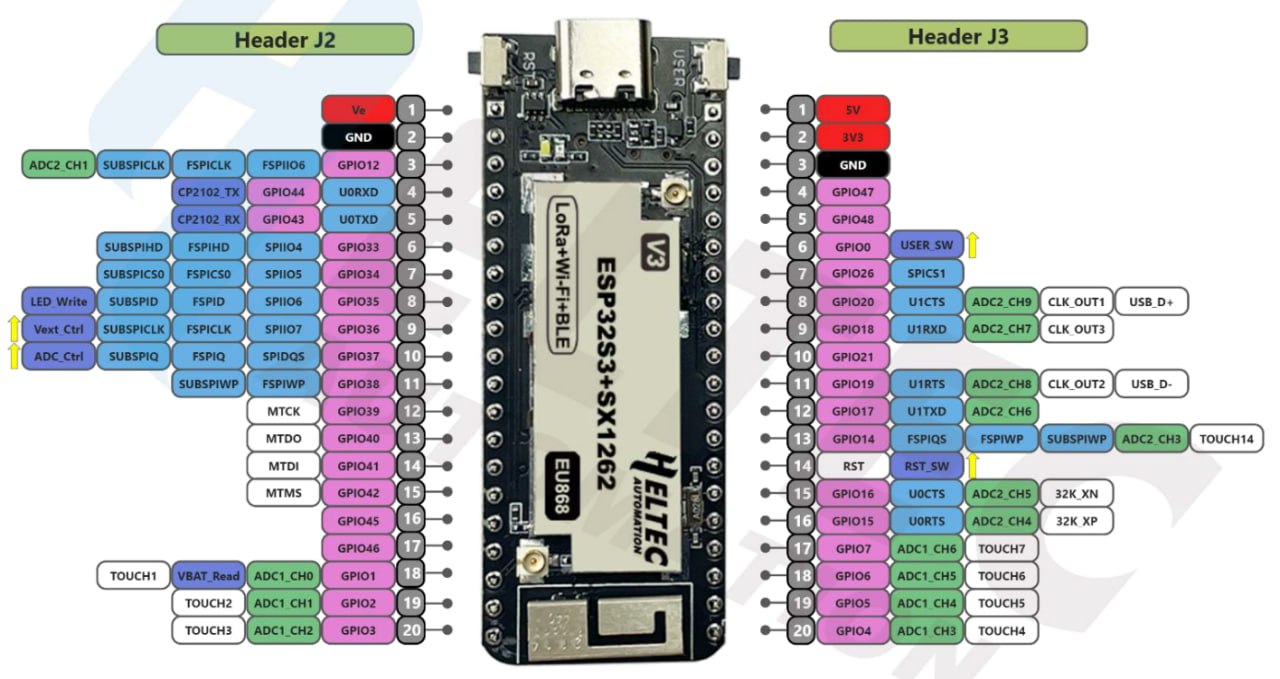
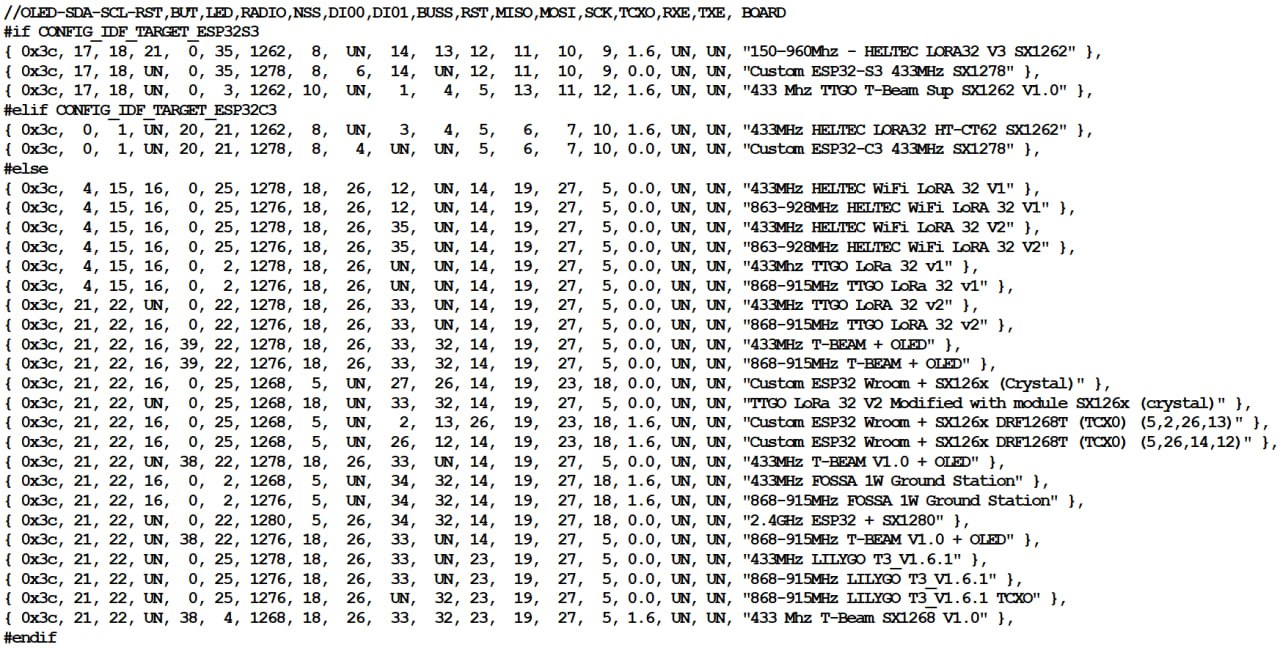
- JohnWave shared that he was expecting two Lite Stick V3 boards to arrive. Stefan/OE6ISP responded, noting it was a bit different from his own but appeared similar, mentioning it had been discussed in the forum before. megazaic then shared photos showing that the device didn’t need configuration and was already in the base configurations, adding the tags #base #config. 🔗
https://a.co/d/0p9ijGI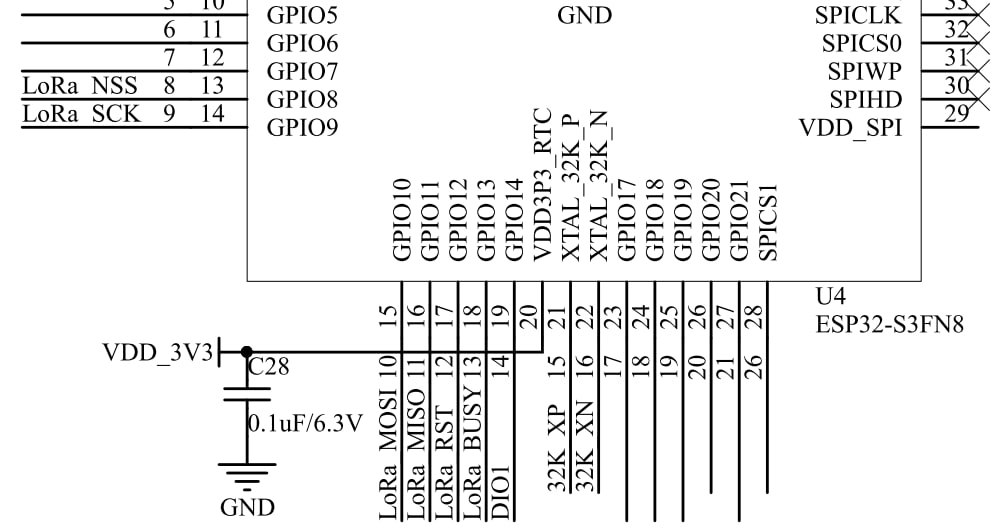

Technical Problems
- Crapulard reported issues with a LILYGO ® TTGO LoRa32 V2.1_1.6 installation, including a “no access” error when launching the dashboard page and a “waiting for station” status on the website. He also mentioned a black screen issue after the device went to sleep. Stefan/OE6ISP suggested ensuring the computer and board were on the same subnet. Crapulard later resolved the issue, explaining it was due to being connected to a guest WiFi network without access to the private network. He then inquired about the autotuning on 433MHz for an 868-915MHz Lilygo board bought on Aliexpress. Notsure7 explained that the difference between 868 and 433 is just filters and that 433 should also receive perfectly on 858/915. Crapulard later disconnected the Lilygo from USB to try a dipole antenna and then reconnected it, experiencing a black screen again and the station going offline. He found that the issue was related to using a USB extension cable, which also erased the configuration. G4lile0 confirmed that the station was online with the correct position after Crapulard re-edited the settings. Crapulard asked about turning off the device before unplugging the USB, and G4lile0 replied that it was not necessary as the configuration should be saved. 🔗
- KernelCorrupt reported a faint buzzing noise from their T-Beam when turned on, describing it as a high-pitched sound when in close proximity. John confirmed experiencing a similar faint noise when holding the device close to the ear. Stefan/OE6ISP suggested the noise might be related to the power manager, which generates RF noise, potentially affecting the T-Beam’s performance when near an antenna. 🔗
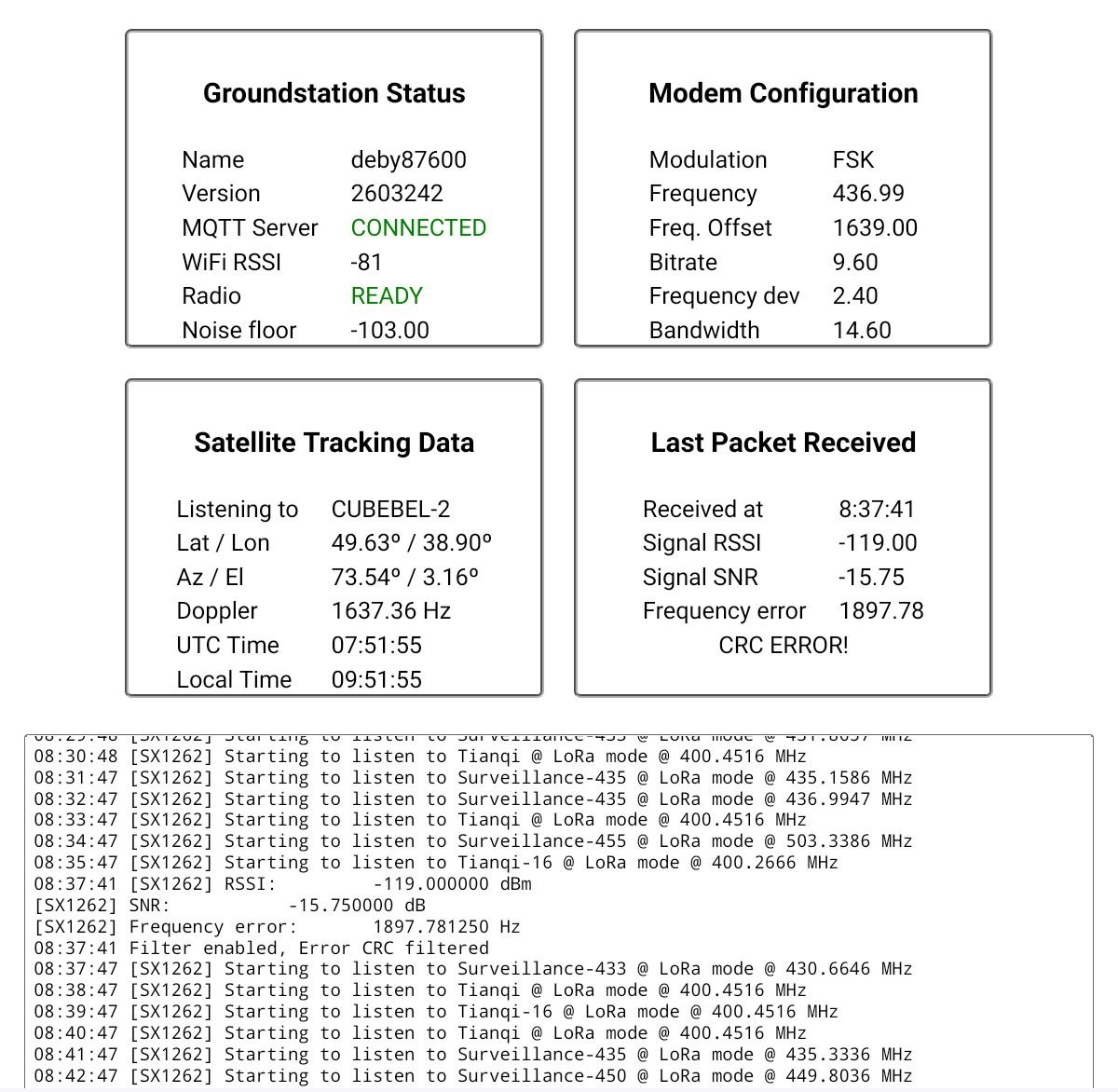
- KernelCorrupt restarted with a new station, flashed the T-Beam, and set up a 433MHz antenna, hoping to receive packets after experiencing only CRC errors. They shared photos of the setup and inquired about the station’s page appearance and the ‘Auto enabled’ mode. They also expressed frustration about not receiving packets like other stations in their city, despite having a similar or even lower elevation. 🔗
https://app.tinygs.com/station/Arasaka_TinyGS@8mmk7z9kmyw_6wrb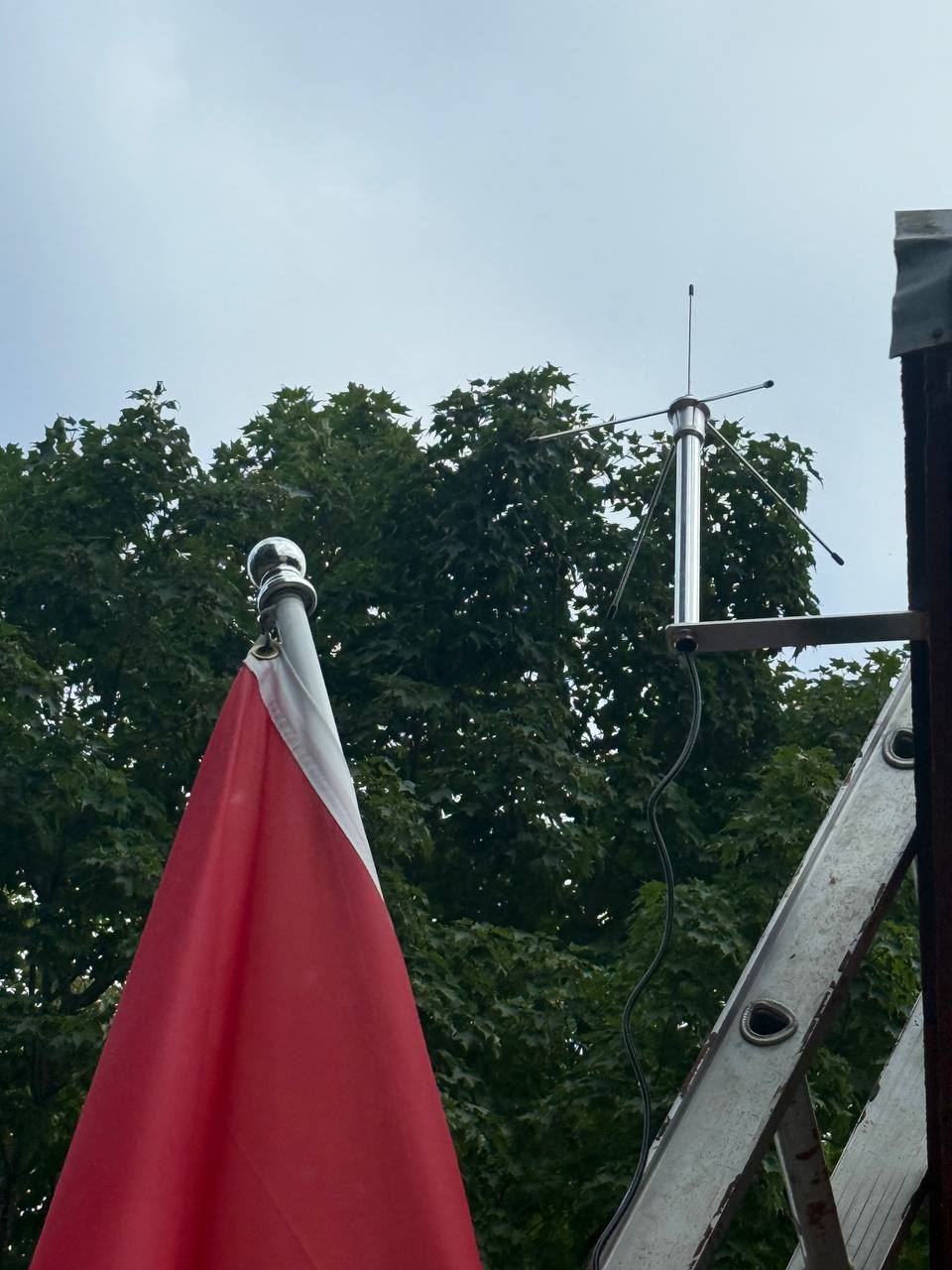
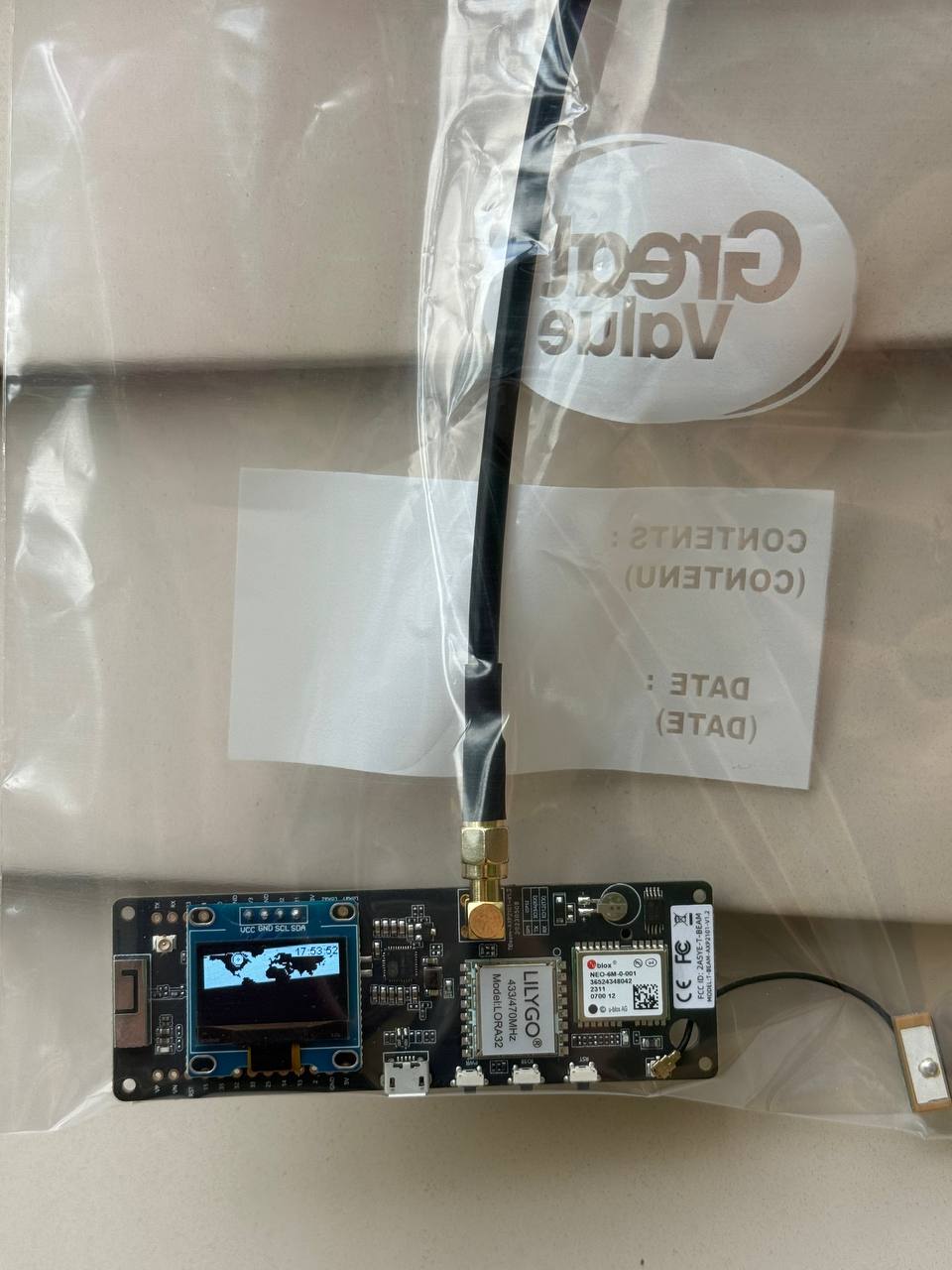
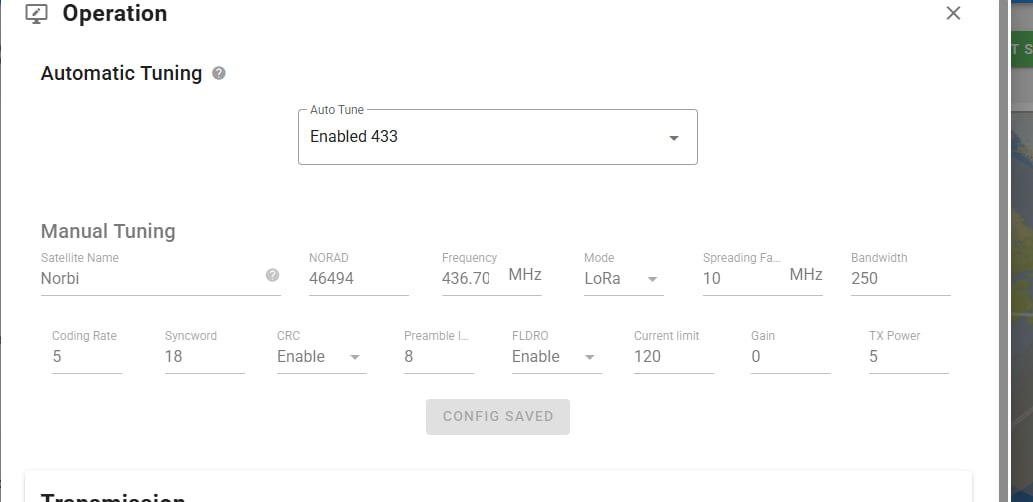
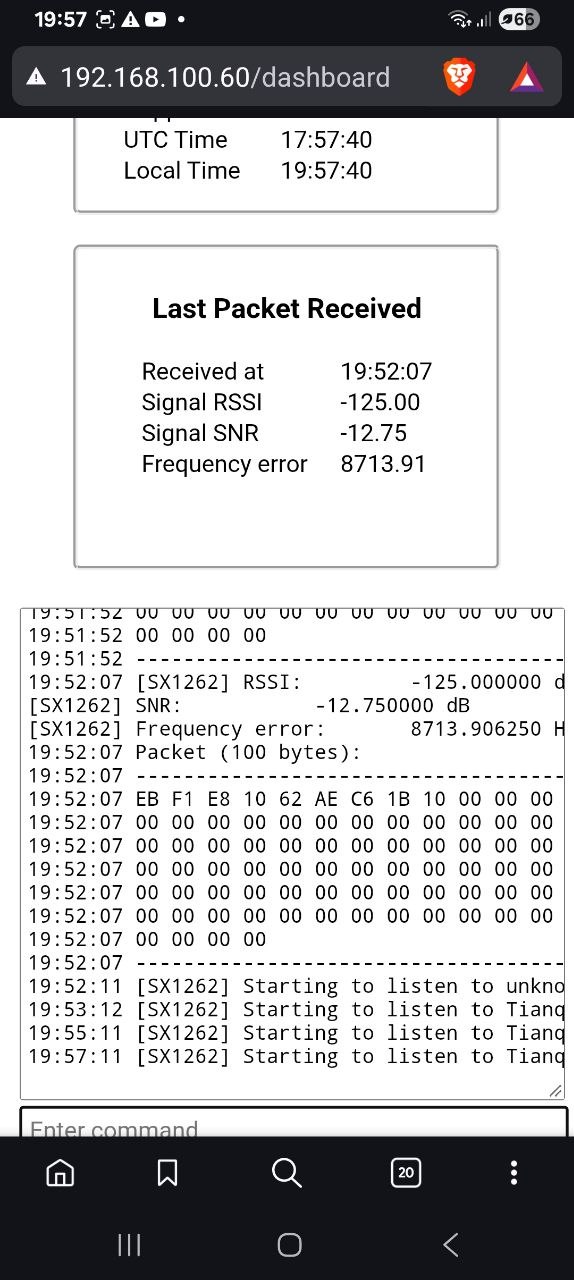
- V configured a new station based on a Lilygo TTGO Lora board but wasn’t receiving any packets. megazaic suggested providing details about the antenna and a screenshot of the ‘Groundstation Status’ panel. Stefan/OE6ISP noted that 800MHz satellites are mainly active over central and eastern Europe. V then switched to 433 MHz, mentioning a potential positioning issue. Stefan/OE6ISP supported the frequency switch, highlighting the difficulty of 800MHz reception, especially in urban areas. V shared dashboard views, and Stefan/OE6ISP commented on the noise floor. Crapulard mentioned an issue with frequency and RF circuits, referencing the github FAQ. megazaic explained the hardware limitations of 868 versions. V acknowledged the card’s inability to read 433 MHz and decided to repurpose it and order a 433 MHz board. 🔗
https://app.tinygs.com/station/OE6ISP_868_1@1760298214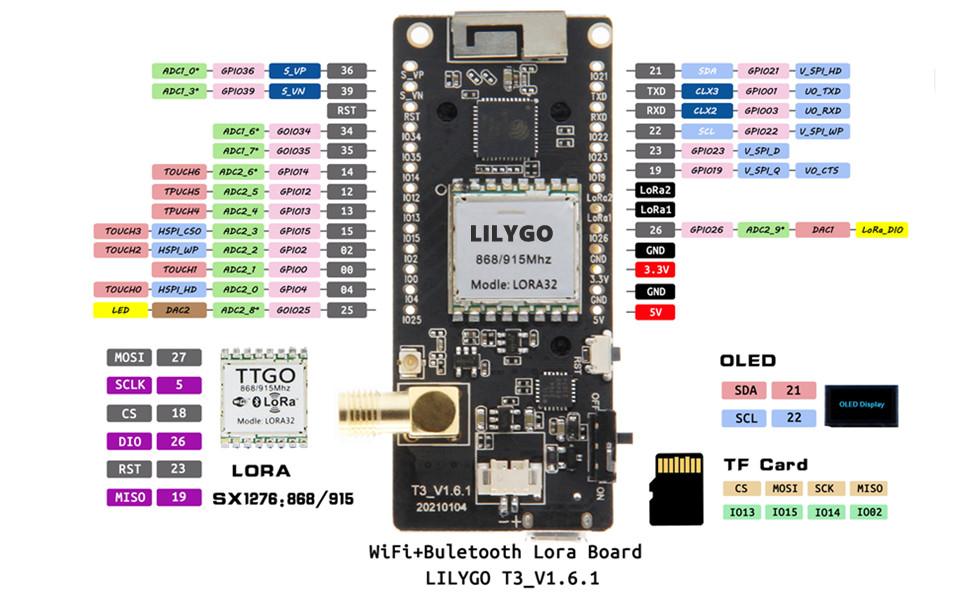
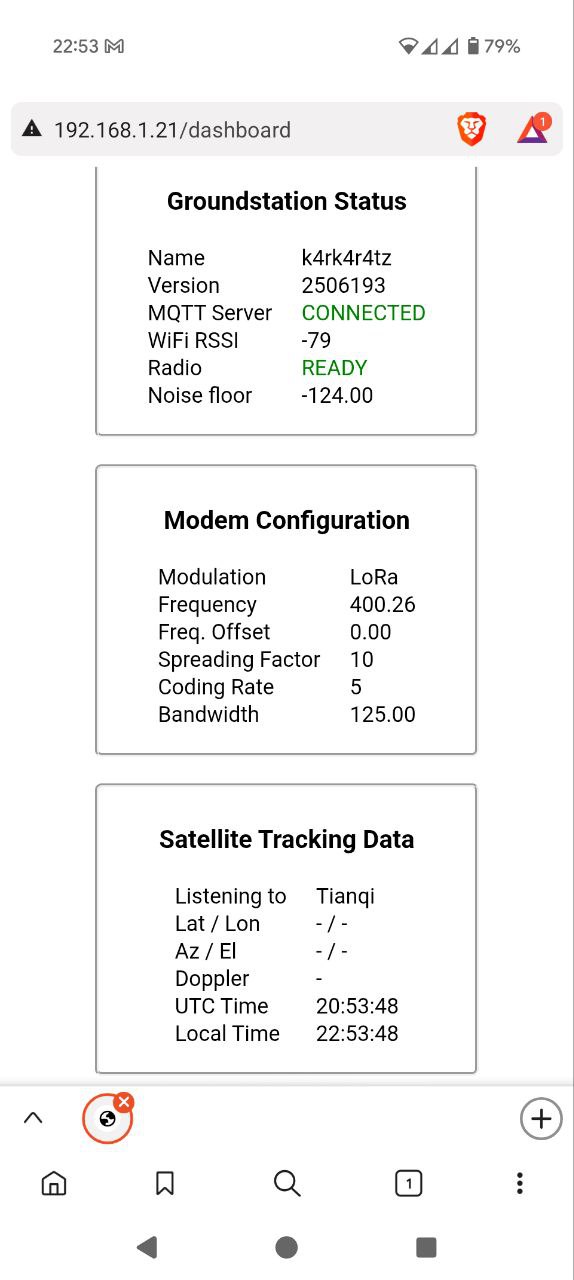
- Papangelo asked about the benefits of fitting a 915MHz radio in Europe and the criteria for selecting radios. Crapulard mentioned buying an 869-915 radio and experiencing limited success, planning to test a 433MHz setup. G4lile0 shared news about the ECC approving satellite-to-low power device communications in the 862–870MHz band in Europe, anticipating 868 signals soon. Crapulard expressed interest in using both frequencies for TinyGS. 🔗
https://www.rcrwireless.com/20250730/internet-of-things/europe-statellite-lorawan
Share your setup
- Crapulard shared that after some issues and DIY efforts, they managed to receive one packet with a light homemade copper wire antenna, having adjusted the frequency range/autotune to match their chipset. They expressed happiness as a beginner and mentioned it was a temporary setup. 🔗
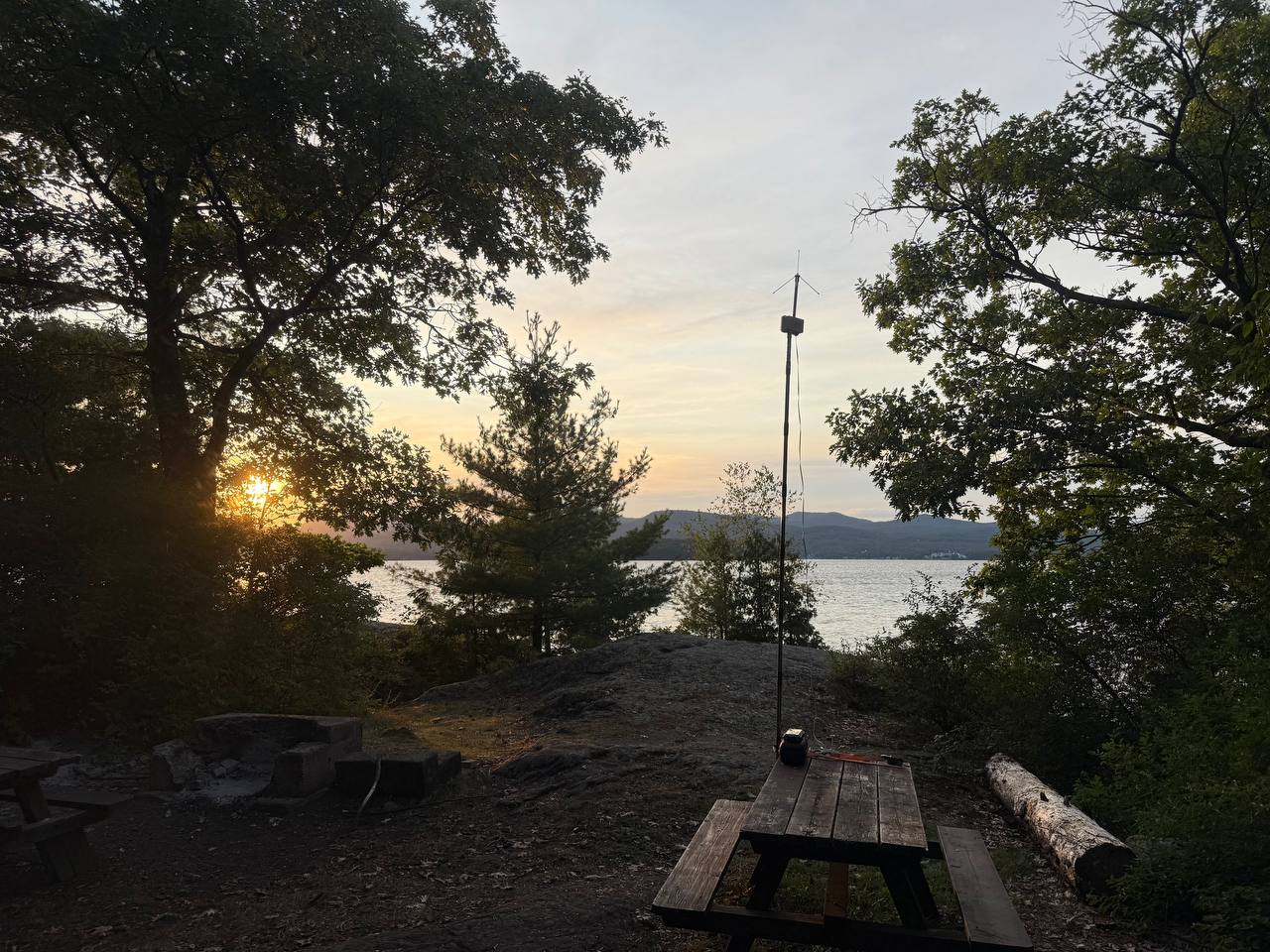
- Ryan shared a photo of a remote EarthCup1 setup on Phelps Island, Lake George, NY. 🔗
Beta Firmware Testing
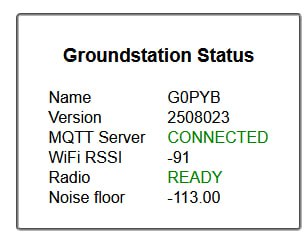
- G0PYB asked about the latest firmware version, noting a discrepancy between the version on GitHub and the one on their station. Helmi pointed out that version 2508023 was available. G0PYB later reported a smooth update process. 🔗
Featured Conversations
- A new member from Perú, Antonio (OA4BUO), joined the TinyGS community and was welcomed.
- Users troubleshooted issues with Lilygo TTGO LoRa32 V2.1_1.6 installations, including dashboard access problems and black screen issues, which were eventually resolved by ensuring the device was connected to the correct network and avoiding USB extension cables.
- The community discussed the pros and cons of ground plane versus QFH antennas for LoRa to TinyGS, noting that ground planes are better for general coverage in flat terrain, while QFH antennas excel at higher elevations and noise reduction.
- The TinyGS community celebrated the launch of new interactive statistics on the main page, featuring an interactive legend and advanced filtering options for satellite data analysis.
- Updates were shared regarding regulatory changes in Europe, specifically the ECC’s approval of satellite-to-low power device communications in the 862–870MHz band, potentially enabling new satellite downlinks on 868 signals.
What’s next
Join the TinyGS Telegram channel to participate in these discussions and contribute to the project. Your experiences and insights can help others build and improve their stations!
Share: