Get started with AstroWind to create a website using Astro and Tailwind CSS
Start your web journey with AstroWind โ harness Astro and Tailwind CSS for a stunning site. Explore our guide now.
tinyGS is Production-ready.

Features
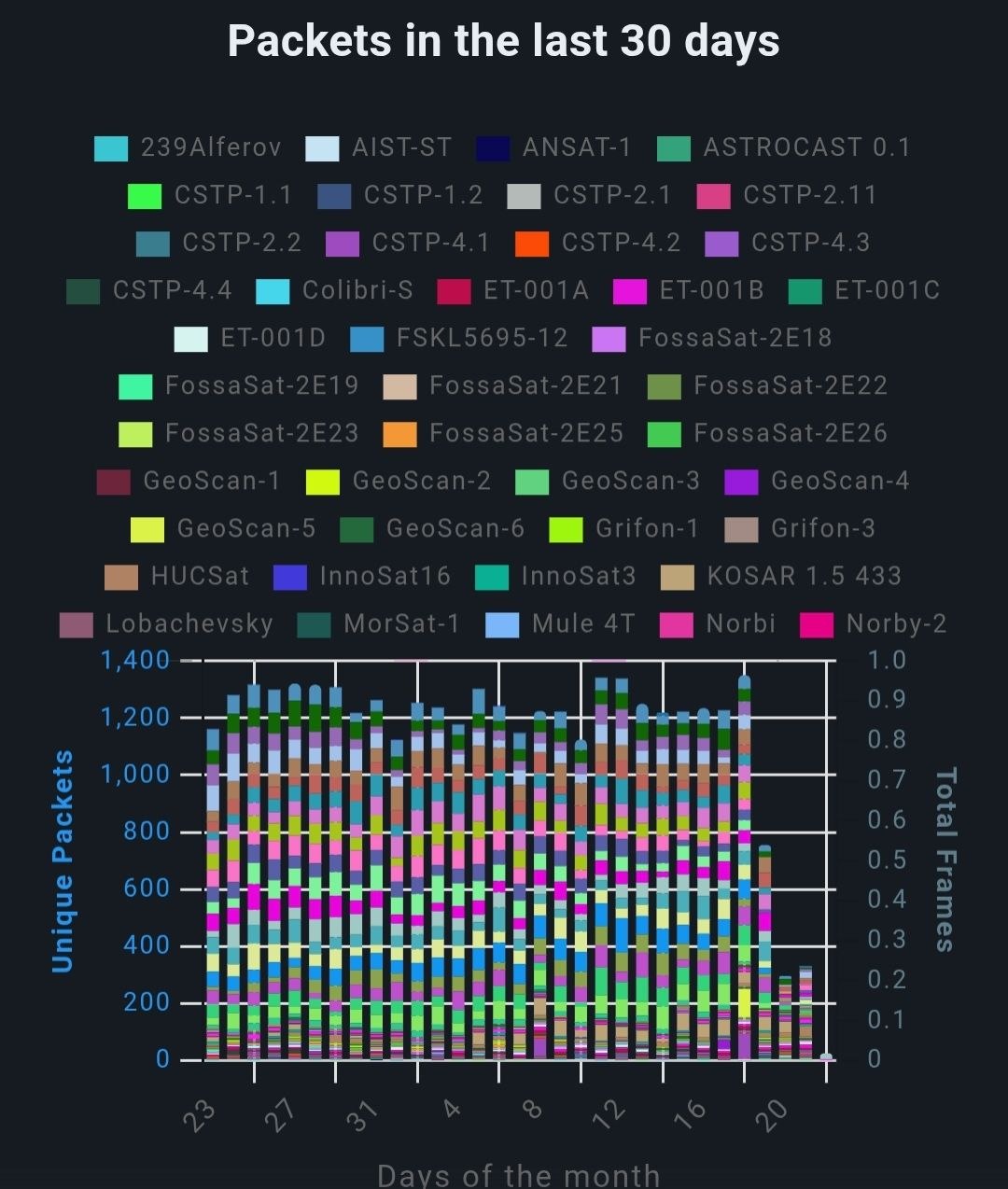
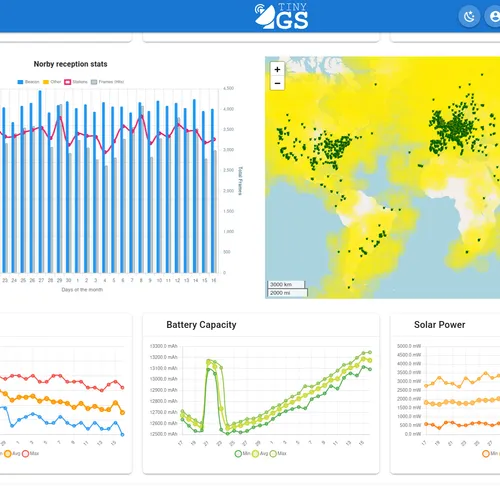
Build your own tiny, affordable ground station and join thousands of citizen scientists tracking satellites collecting vital telemetry, contributing to real science projects!
Easy-to-build ground stations using readily available components.
Open-source knowledge and amazing community support.
Access to real-time satellite data and cutting-edge space technology.
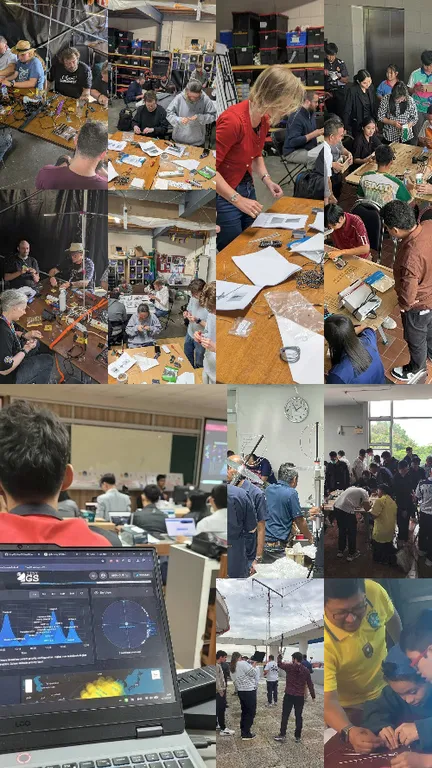
Be part of a global citizen science network making real impact.
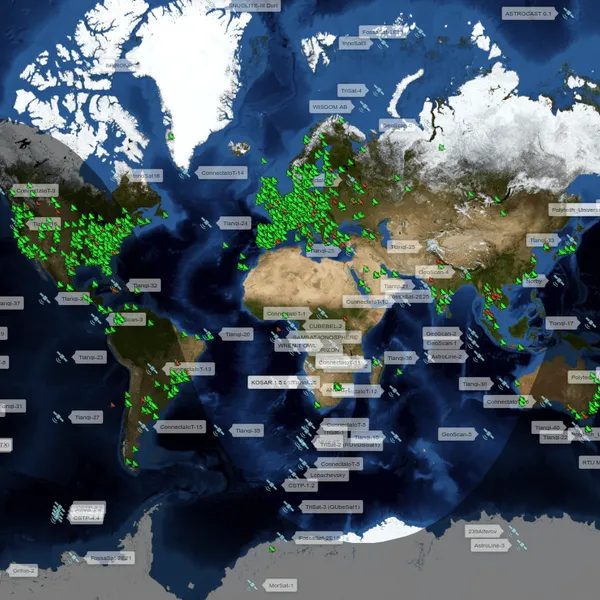
Helping keeping track of objects in orbit and predicting where they will be at any given time.
Who will capture more satellites or conquer more areas of the sky?
Inside template
Benefiting from the performance and developer-friendly features of this modern static site generator.
Facilitating rapid design and consistent styling with this highly popular utility-first CSS framework.
Ensure your website looks and functions consistently across various web browsers, delivering a seamless experience to all users.
Tailor the template effortlessly to match your brand's identity and requirements, making your website distinct and saving you time.
Explore various layout options to find the structure that best presents your content, enhancing user engagement and navigation.
Ensure your website's optimal performance on various devices and screen sizes, providing a consistent and enjoyable user experience.
Seamlessly incorporate images, videos, and multimedia elements that enhance your content and engage visitors effectively.
Captivate your audience with interactive elements, intuitive navigation, and visually appealing layouts, encouraging longer visits.
Ensure your website stays aligned with the latest trends and technologies through regular updates and enhancements.
Skip the time-consuming process of building a website from scratch and launch your online presence sooner with AstroWind.
Join the growing AstroWind community for insights, resources, and assistance, ensuring you're never alone on your web development journey.
Step 1: Join the community
Ask any friend already in the community for an invite, alternatively join our Telegram Channel.
For workshops, or educational purposes, contact us for invites.
Step 2: Buy inexpensive HW $20-30
Check the documentation, the are dozens of compatible ESP32 / ESP32S3 LoRa boards, don't forget to choose the 433MHz version and build your DIY antenna.
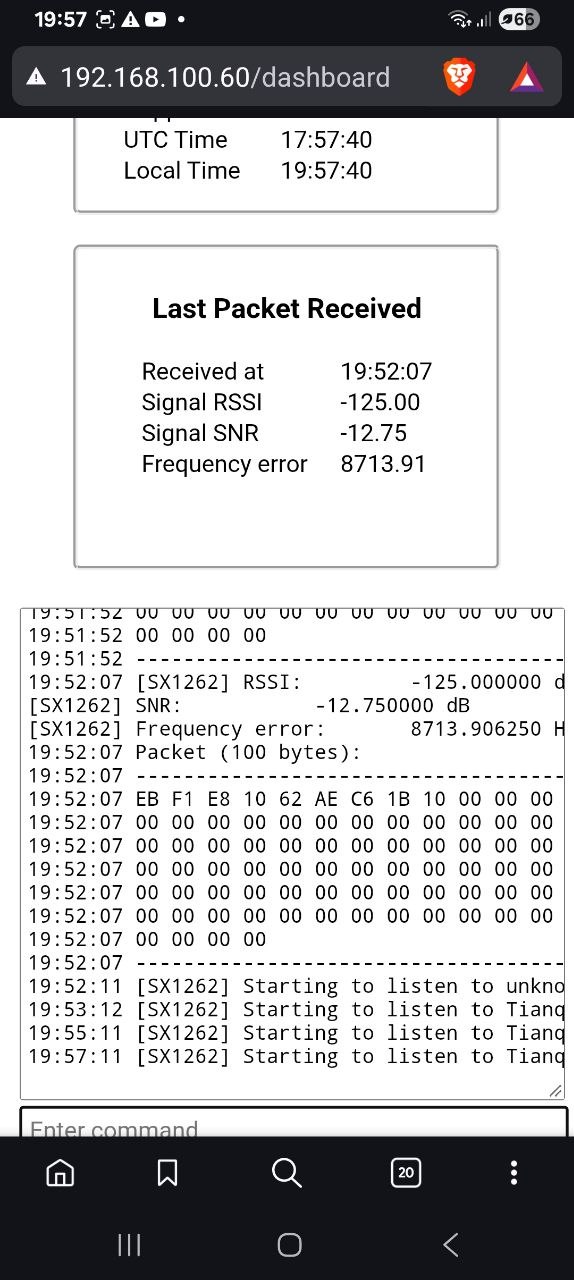
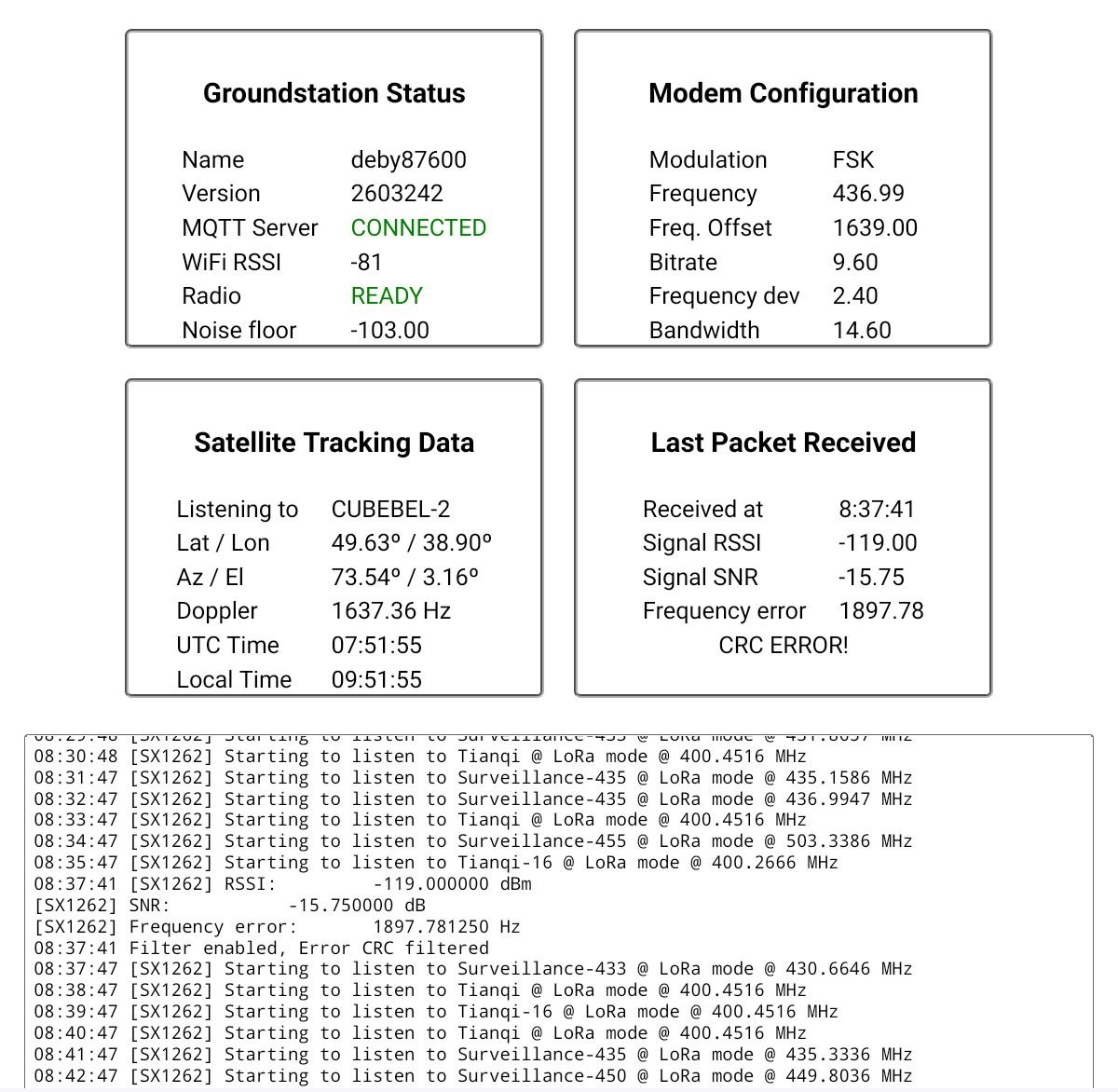
Step 3: Install directly from your browser
Give it your personal touch. Tailor colors, fonts, and layouts until it feels just right. Your unique flair, amplified by AstroWind! Precision in design ensures a seamless user experience.
Ready!
Components
Provides frequently used components for building websites using Tailwind CSS
Ever tried driving without GPS? Boom! That's why websites need headers for direction.
Picture a superhero landing โ epic, right? That's the job of a Hero section, making grand entrances!
Where websites strut their stuff and show off superpowers. No holding back on the bragging rights here!
Dive into the meat and potatoes of a site; without it, you'd just be window shopping. Content is king.
That enthusiastic friend who's always urging, "Do it! Do it!"? Yeah, that's this button nudging you towards adventure.
Behold the dessert menu of the website world. Tempting choices await, can you resist?
Step into the gossip corner! Here, other visitors spill the beans and share the juicy details.
Like a digital mailbox, but faster! Drop a line, ask a question, or send a virtual high-five. Ding! Message in.
The footer's like the credits of a movie but sprinkled with easter eggs. Time to hunt!
The blog is used to display AstroWind documentation. Each new article will be an important step that you will need to know to be an expert in creating a website using Astro + Tailwind CSS. Astro is a very interesting technology. Thanks.
Start your web journey with AstroWind โ harness Astro and Tailwind CSS for a stunning site. Explore our guide now.
Explore vital tools and resources for a sleek website. From design to functionality, our guide elevates your online presence.
Personalize AstroWind template for your brand. Our guide unlocks seamless customization steps for a unique online presence.
While easy to get started, Astrowind is quite complex internally. This page provides documentation on some of the more intricate parts.
FAQs
tinyGS is an open-source project that allows anyone to set up a low-cost satellite ground station using inexpensive LoRa hardware (like ESP32). By joining the network, you contribute to a global community that provides real-time tracking and data reception for hundreds of satellites and weather probes, making space exploration accessible to everyone.
To get started, you need a supported LoRa board (such as the Heltec WiFi LoRa 32 or TTGO LoRa32), an antenna tuned to the correct frequency (usually 433MHz or 868/915MHz), and a power source. Simply flash the tinyGS firmware onto your board, connect it to your local Wi-Fi, and your station will begin automatically uploading received packets to the network.
While tinyGS is primarily a receive-only (RX) network, some satellite operators occasionally allow for data uplink. However, to participate in these transmissions, you must hold a valid Amateur Radio License to comply with international radio regulations and legal requirements.
By acting as a massive, distributed sensor array. By capturing precise timestamps of signal reception across thousands of global coordinates, the network helps track and verify the orbital position of satellites. This data is vital for predicting satellite paths and avoiding collisions, which is the primary defense against the Kessler Syndrome.
We welcome new missions! Contact us via GitHub or Telegram with your satellite's NORAD ID and modulation parameters (LoRa/FSK). Once integrated, our global network will provide you with a real-time dashboard of your satellite's health and telemetry from across the planet.
The Kessler Syndrome is a theoretical scenario where the density of objects in Low Earth Orbit (LEO) is high enough that a single collision could cause a cascade of debris, making space activities and satellites impossible for generations. tinyGS helps prevent this by providing precise, crowdsourced tracking data.
Be very surprised by these huge fake numbers you are seeing on this page.Don't waste more time! :P