tinyGS
· TinyGS Community · 5 min read
Weekly Newsletter - August 10, 2025
Welcome to the TinyGS community newsletter! Stay informed about the latest discussions, developments, and collaborative efforts within the TinyGS project.
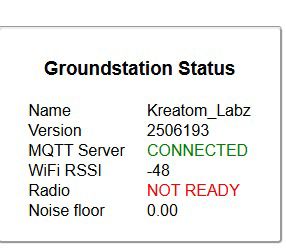
Highlights
General
- ubabematrix is seeking resources on TinyGS for a general audience, particularly for an amateur radio event at Astropolis Oostende during the Perseides meteor shower. He aims to showcase how people can engage with space science through radio and self-built equipment, making satellites more relatable. He is looking for links to websites or videos that demonstrate the coolness of receiving signals from space with DIY setups for both general and science-oriented audiences. 🔗
- Asad asked if there are any active satellites that support LoRaWAN LR-FHSS. 🔗
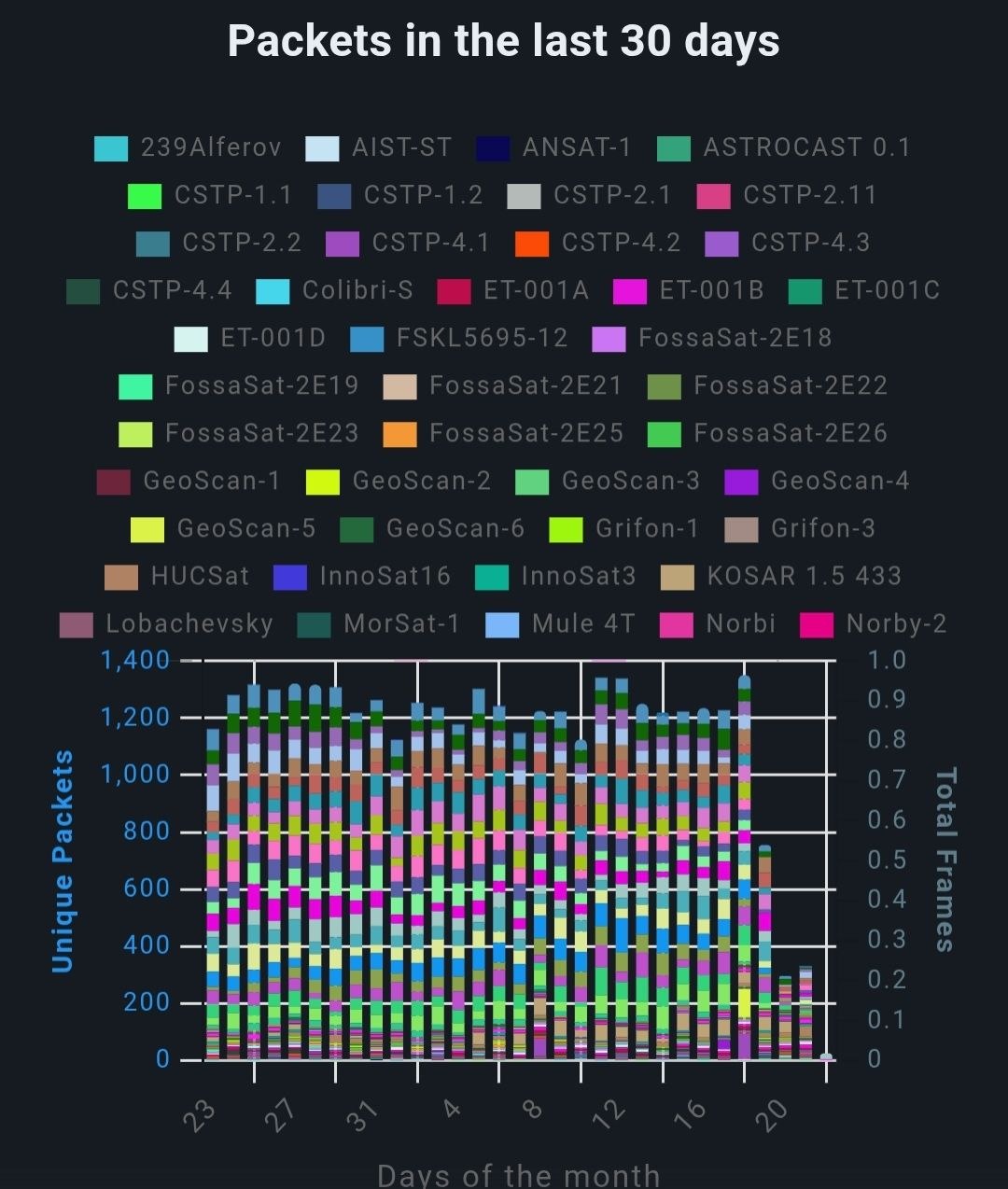
- Notsure7 asked if the statistics can be transferred, particularly for 400 and 137 MHz. Mentioned that the 137 MHz station is a prototype equipped with a 0.5ppm TCXO and is currently indoors, suggesting it might be the only 137 MHz station with this setup. 🔗
- G4lile0 said that he can transfer the total amount of packets, and later confirmed that it was done. 🔗
Technical Problems
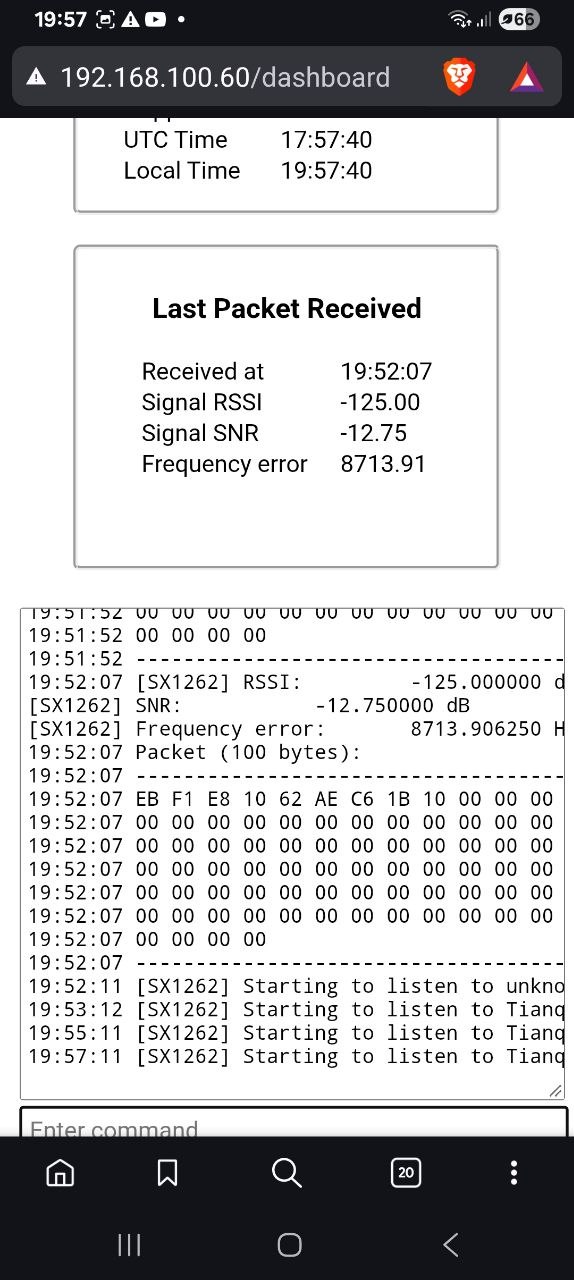
- hari21204 asked about the pin number (L_bussy) in Lora to esp 32 and how to solve the issue, providing images. He then asked where the l_bussy pin is in the lora module he is using. After some discussion, megazaic pointed out that Ra-02 modules with SX1278 don’t have BUSY, and use DIO0 instead. 🔗
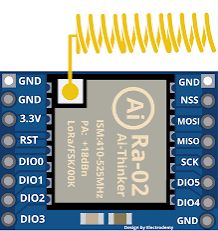
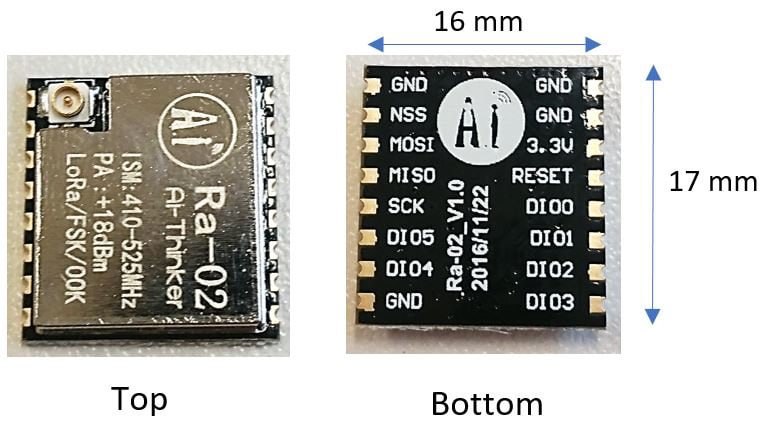
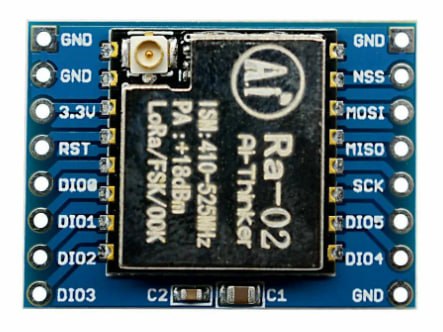
- JosephCo suggested making standard wire diagrams available for different module combinations to uniform the connections, and providing a standard line in the configmanager.cpp to make autotune work easier. 🔗
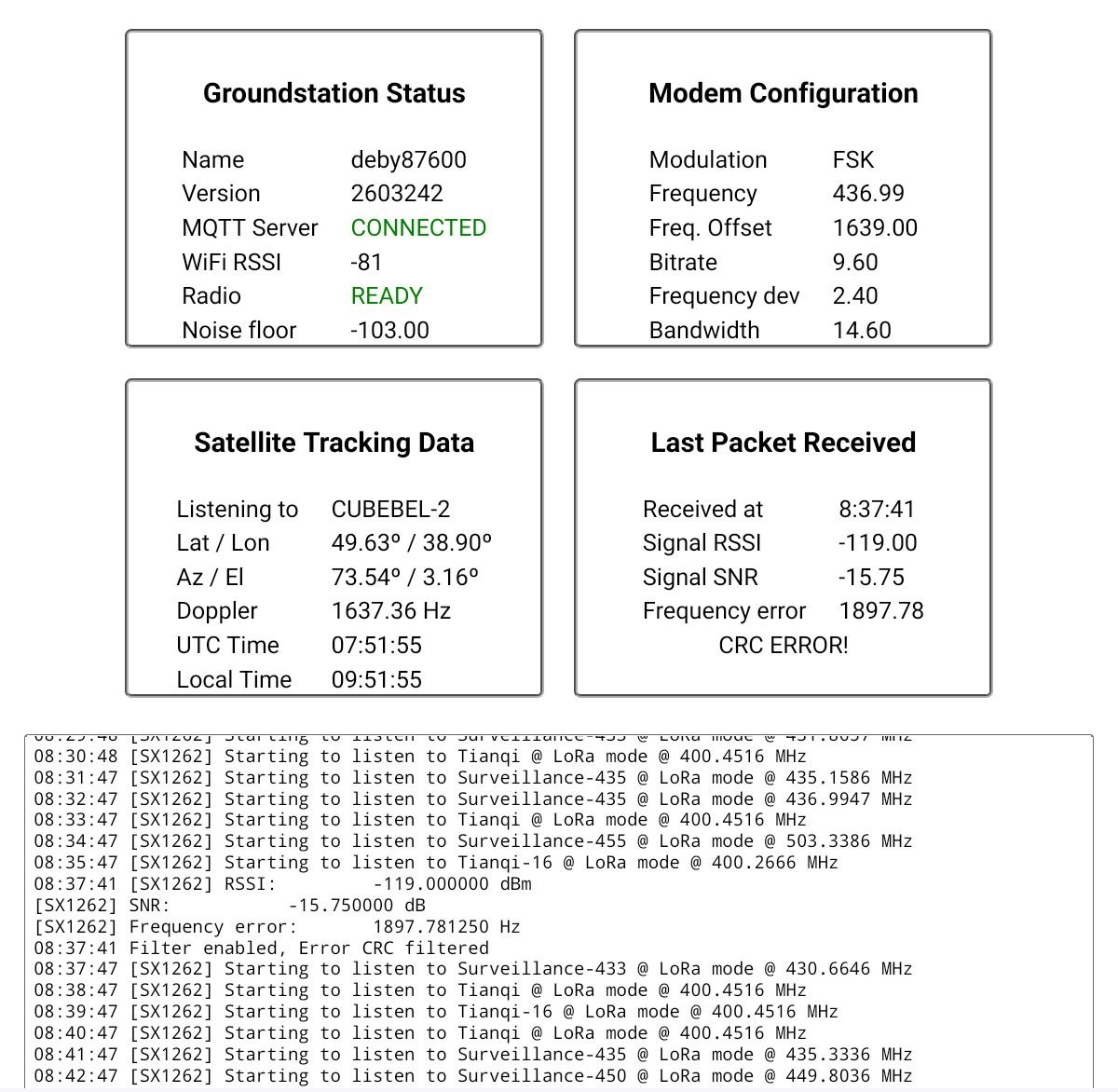
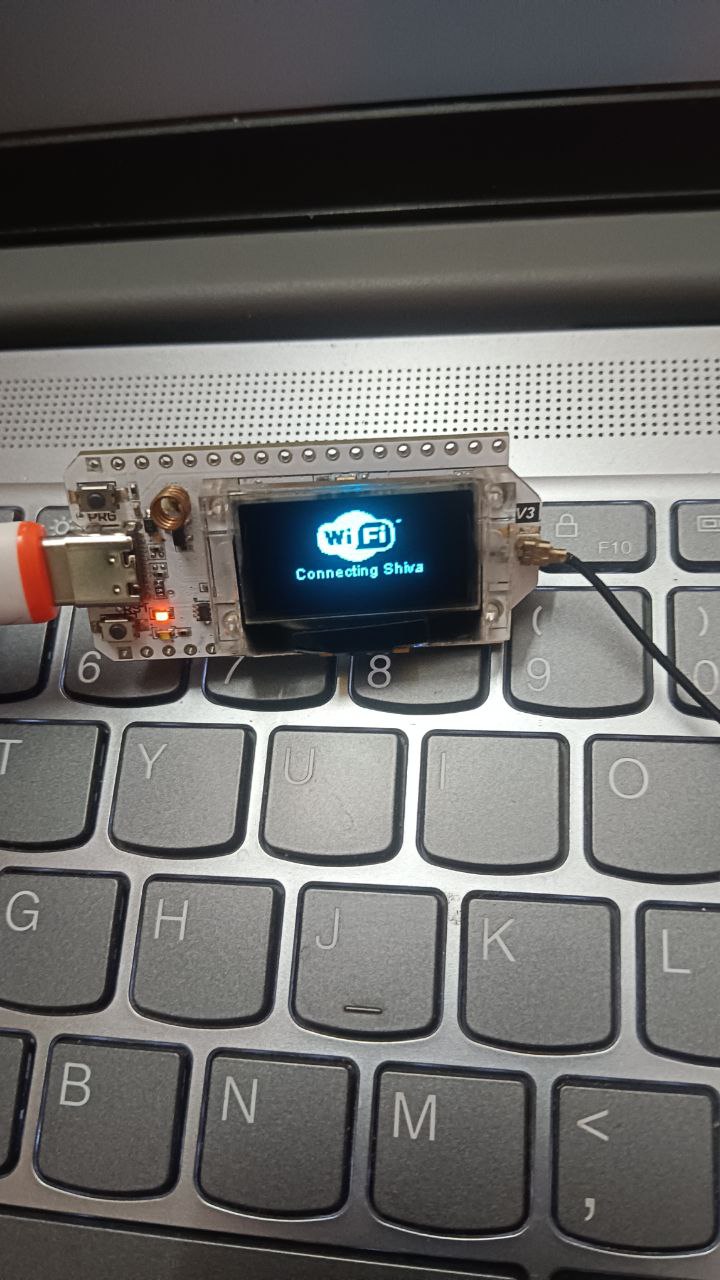
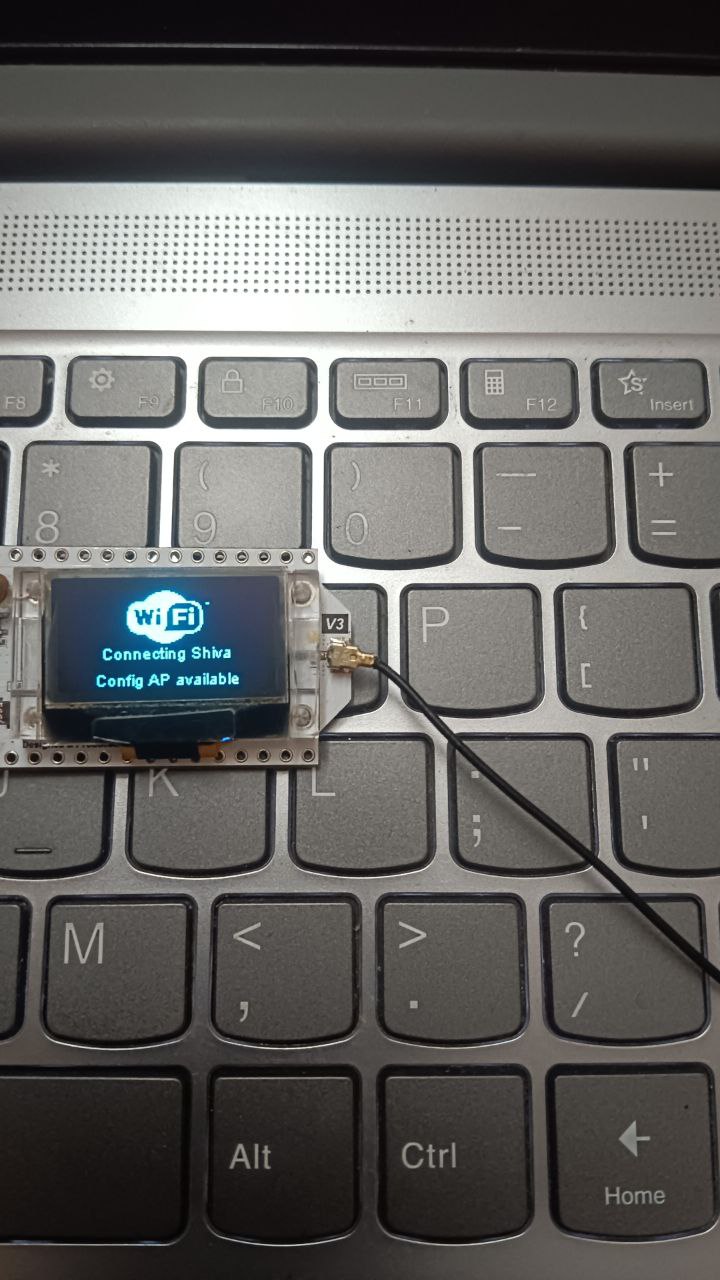
- Shiva shared photos of a setup that got stuck, mentioning that it is another tinygs setup, already had one, flashed it, but it got stuck here. They also mentioned that this board rarely shows its AP but is working well with meshtastic. 🔗
- RalphyDx asked for help choosing a 443Mhz board with an external Wi-Fi connector. 🔗
- Stefan/OE6ISP mentioned that T-Beams have a Wi-Fi connector but usually use SX1278 (no FSK), while some T-Beams with SX1262 do not work for 137MHz. 🔗
Antenna Building
- Notsure7 shared a photo of antenna building progress. Target was 420Mhz, but ran out of threads on the long one, and has to swap the lower threaded rod to continue. Also, asks if the absence of a choke will make a difference, considering this antenna won’t be used for transmitting. 🔗
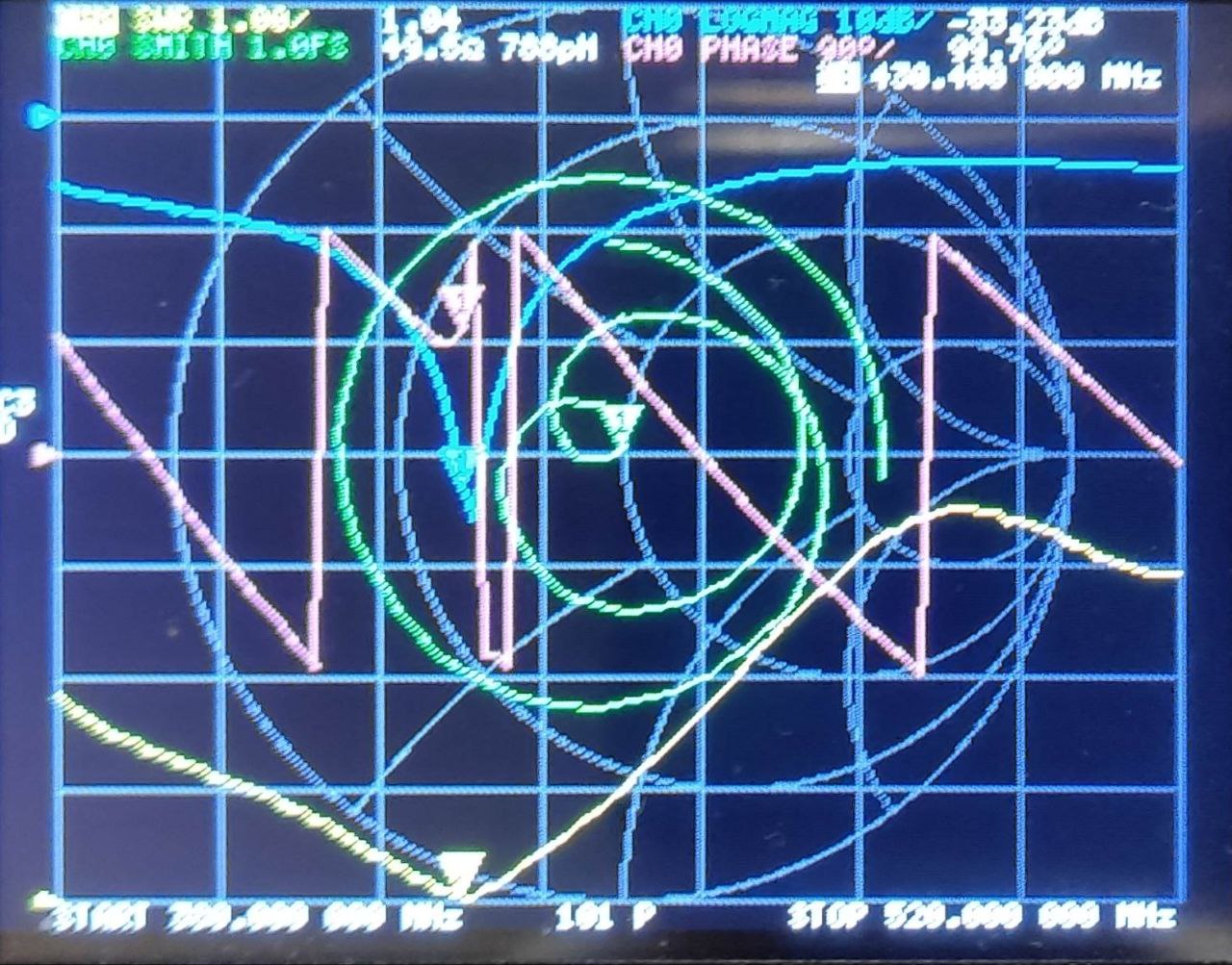
- Stefan/OE6ISP asked about how this antenna works: circular reflector, circular feed and a RHCP helix-director? 🔗
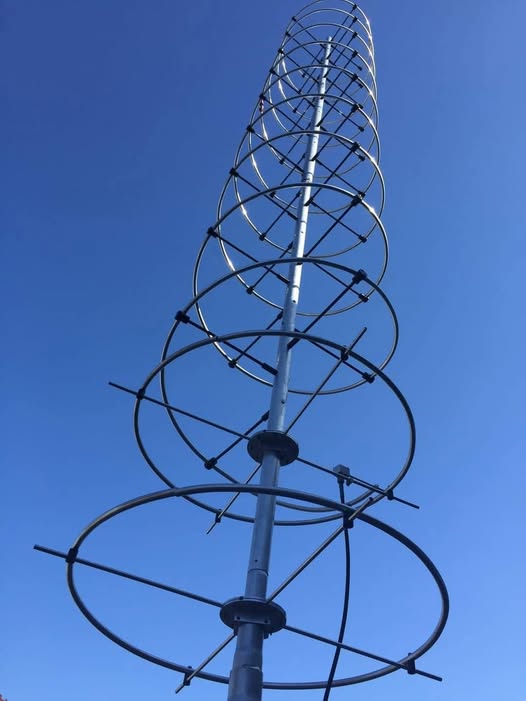
- Notsure7 shared links related to QFH antenna construction. He also noted that QFH antennas are advanced and often not tuned correctly, leading to poor performance, adding that calculators only provide a ballpark figure, which isn’t sufficient for good results with QFH antennas. 🔗
https://sdr-es.com/construccion-antena-qfh-137/
http://jcoppens.com/ant/qfh/calc.en.php
Share your setup
- K introduced himself as new to TinyGS and shared a photo of his setup, which includes a Heltec V3 hidden inside a case, from Vienna, OE1UHA. 🔗
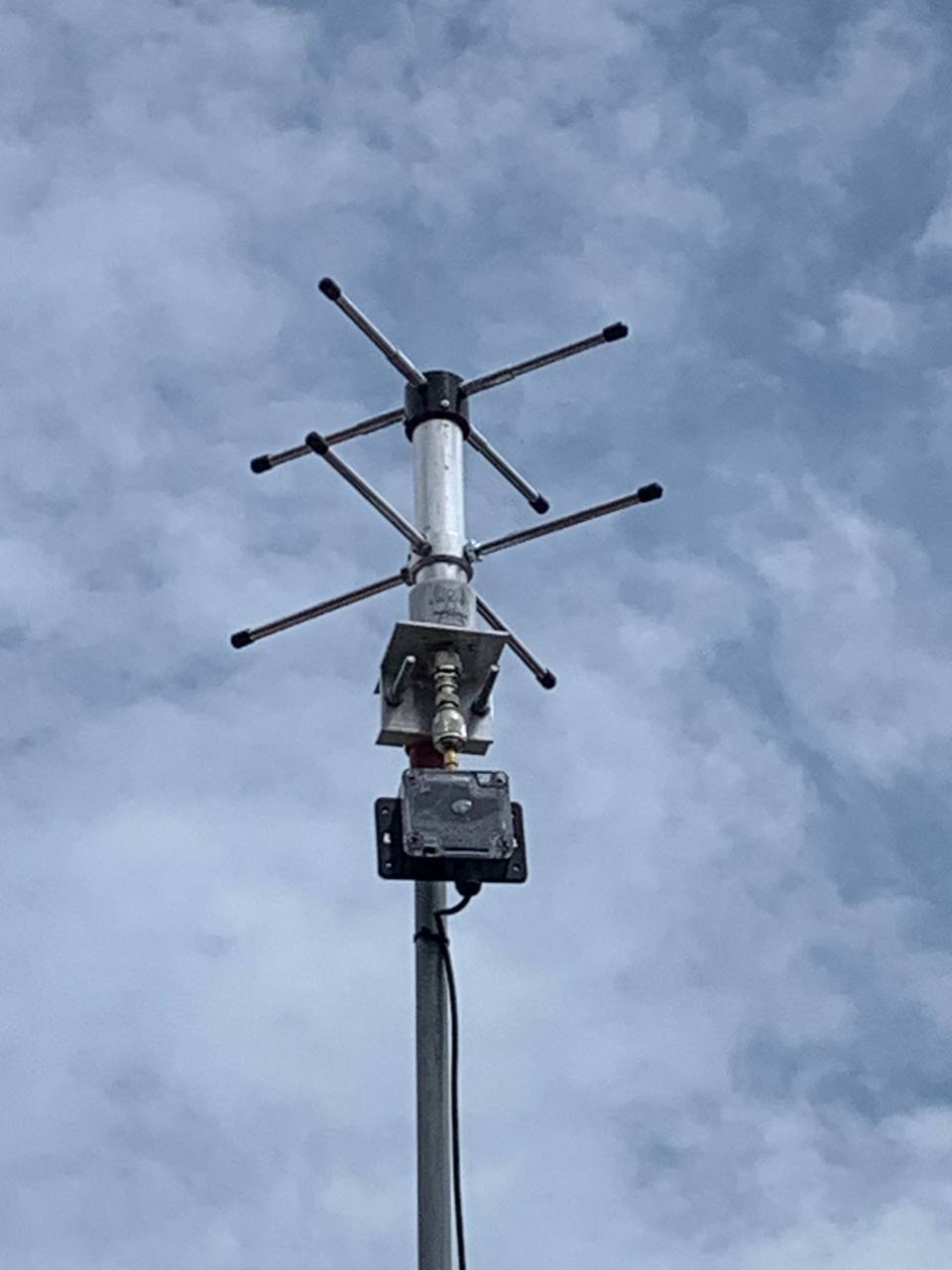
- Michael_Mrak shared his current setup of A3701_433, noting that even with the current setup, there is already some reception, and included a link to his station. 🔗
https://app.tinygs.com/station/A3701_433@222972266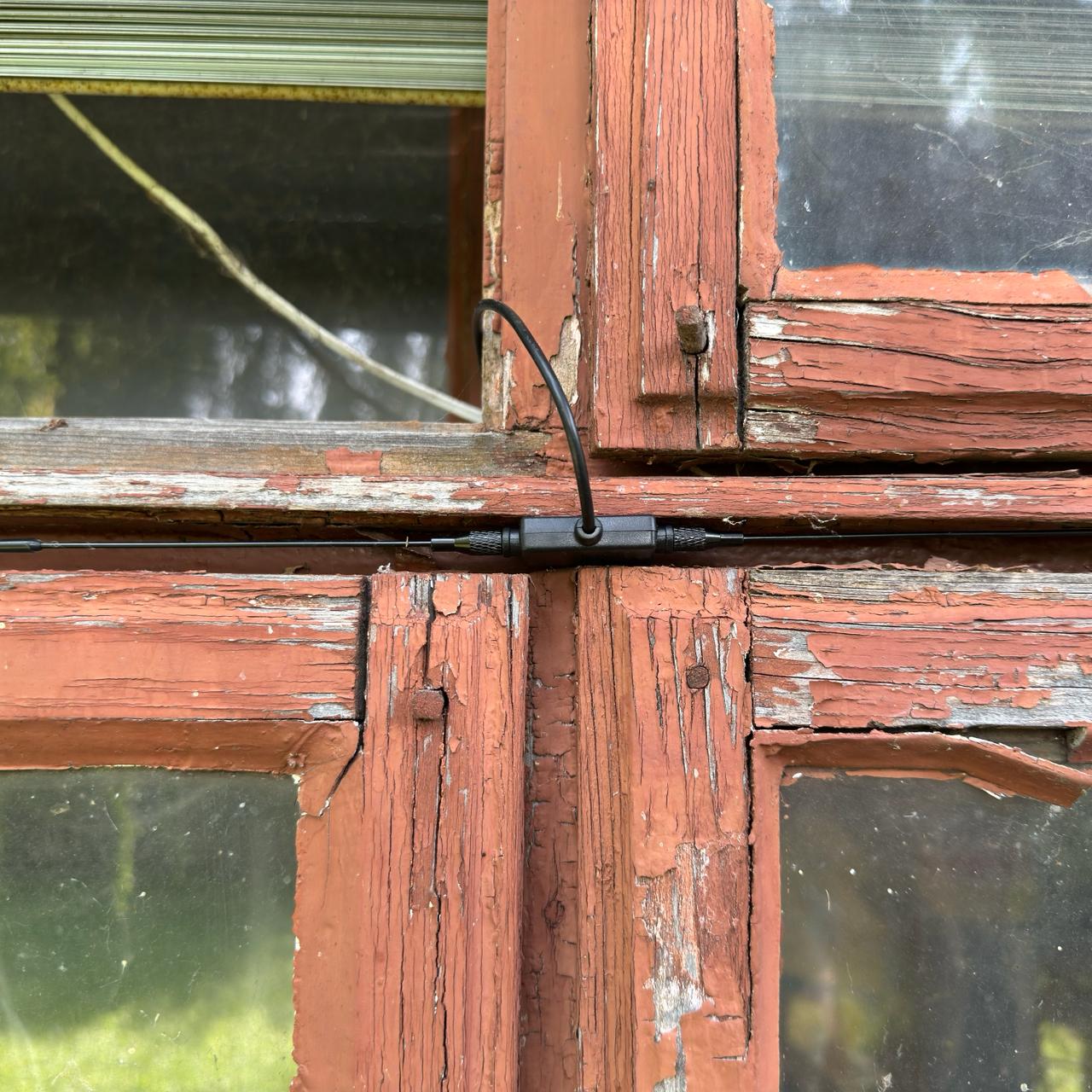
- Moonlight0551 suggested that installing a brass standoff on each side will tune the antenna to receiver closer to the satellite frequencies for more packets, mentioning using one of these antennas for a while and that around 11mm in length was the correct one to use. Also shared a link to AliExpress for brass standoffs. 🔗
https://www.aliexpress.com/item/1005004818052787.html
New Satellites
- Nick announced that GeoScan-4 is online. 🔗
- G4lile0 shared frequency corrections from geoscan and listed the actual frequencies for several satellites including 239Alferov, GEOSCAN-1 through 6, InnoSat3, and InnoSat16. Also, announced that telemetry has been received from satellites deployed during the Soyuz 25th launch, including 9 FSK satellites and 9 LoRa satellites, and also a potential Nahid-2 signal. Finally, announced that all satellites from the Soyuz 25th launch are now in autotune mode and that an algorithm is running to resolve and allocate the correct TLE for each satellite. 🔗
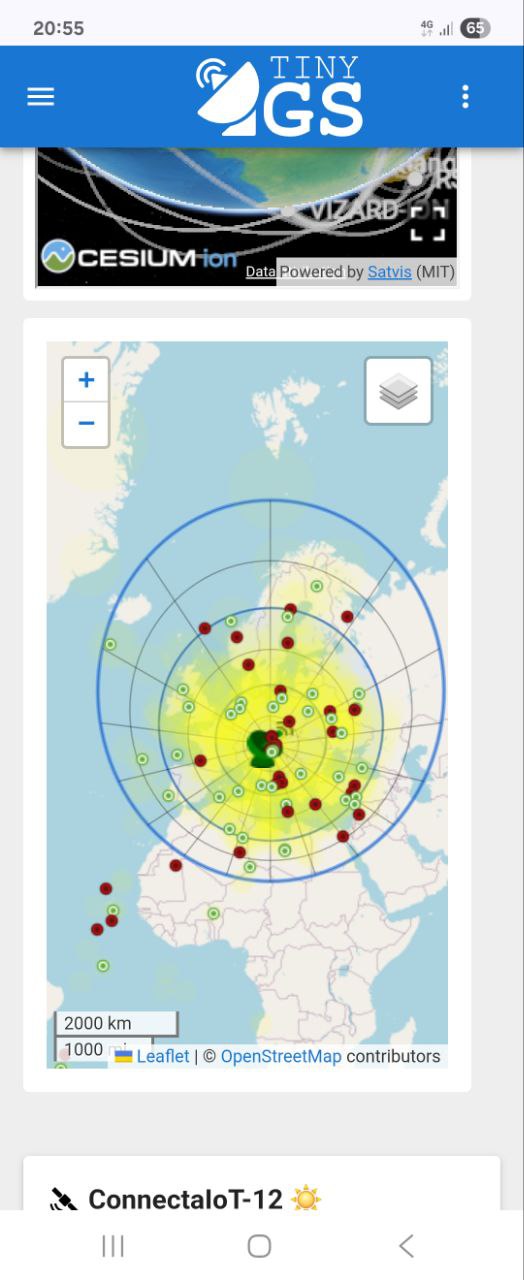
- Helmi reported receiving packets from ConnectaIot-9 with a footprint outside of Turkey after G4lile0’s TLE change, questioning if the TLEs are still inaccurate or if the satellite now transmits outside this region. Helmi mentioned that before G4lile0 changed the TLEs, the footprints were different. 🔗
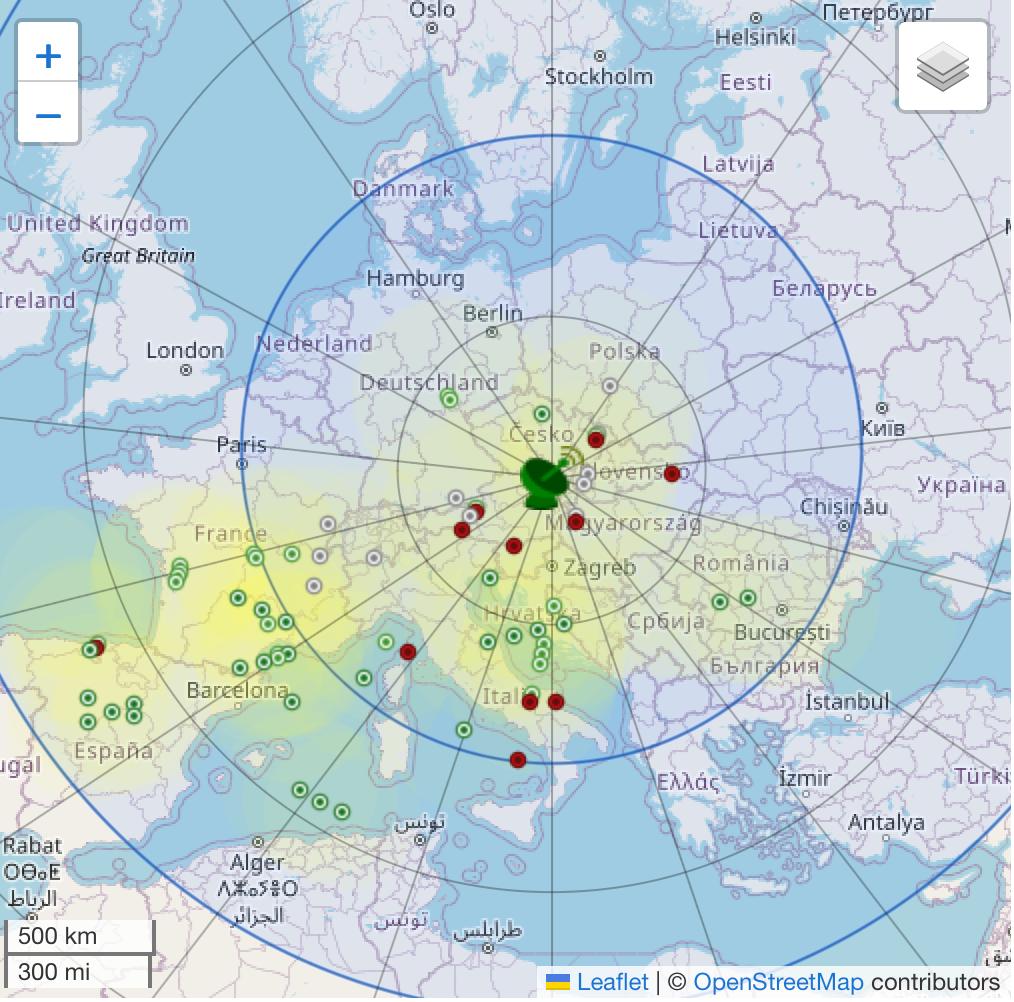
- Stefan/OE6ISP responded to Helmi, mentioning that they are getting packets from all over central Europe. Stefan added a photo showing a distribution of packets. They suspect that the signals might be stronger with the new TLEs, making them more visible, and that the satellites might be using beamforming with phased arrays targeting the receivers. 🔗
Beta Firmware Testing
- G4lile0 announced a new beta version with support for LoRa inverted I/Q, requiring an extended partition for ESP32 (version => 2506013). Responded to Notsure7 that C3 doesn’t have OTA yet. 🔗
- Notsure7 reported that after updating three S3+sx1278, he didn’t see a difference. 🔗
- Notsure7 clarified that the boards being tested are C3, not S3, and notes that there might be a small difference in performance after a few days. Comparisons are difficult because the tianqui tap is open again. 🔗
Events
- tdr112 invited anyone at WHY2025 to join him in welcoming around 50 people to the network. 🔗
https://wiki.why2025.org/Session:Build_Your_Own_Satellite_Ground_Station
Featured Conversations
- Community members collaborated on antenna building, sharing insights and addressing challenges related to choke usage and construction materials.
- Beta firmware updates were announced, featuring LoRa inverted I/Q support and sparking discussions on OTA update capabilities and performance improvements.
- Users showcased their TinyGS setups and antenna configurations, providing valuable insights into diverse hardware implementations and reception strategies.
- The community resolved issues related to incorrect TLE data for ConnectaIoT satellites, improving tracking accuracy and satellite identification.
- Discussions focused on potential GPIO control for enabling/disabling HPAs, enhancing ground station capabilities and flexibility.
What’s next
Thank you for being part of the TinyGS community! Share your knowledge, antennas, and stations to help grow the project! Join the Telegram group to participate in discussions and stay informed about the latest developments. Explore the latest supported satellites on the TinyGS website and help expand our global tracking capabilities.
Share: